The fitness industry has seen a dramatic rise in kettlebell use, driven by functional training and CrossFit popularity. This has led some trainers to replace traditional dumbbells exclusively. But is this logical?
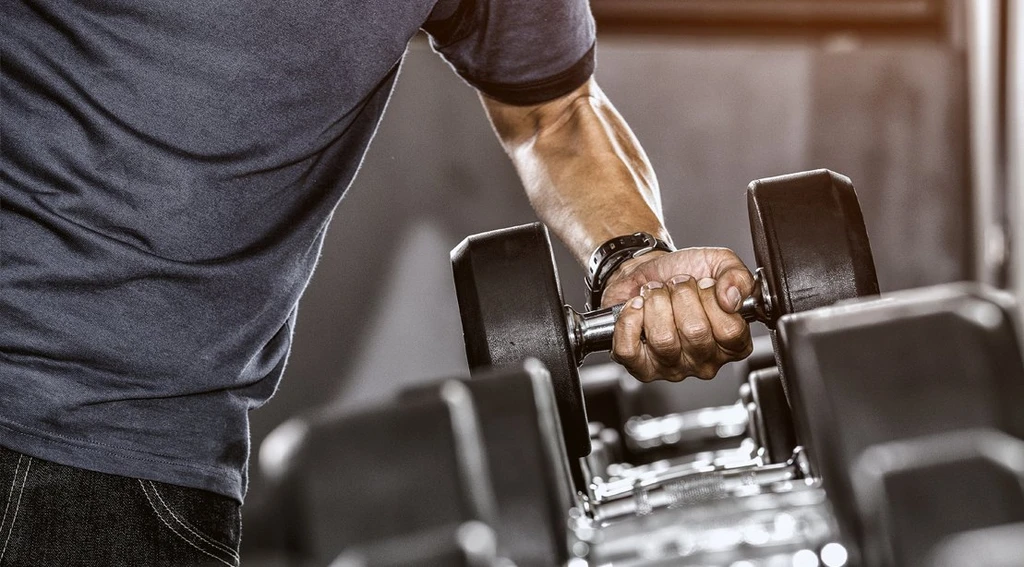
The core difference is design. A dumbbell is stable, with weight evenly distributed in line with the forearm. A kettlebell's center of gravity sits below the handle, creating inherent instability.
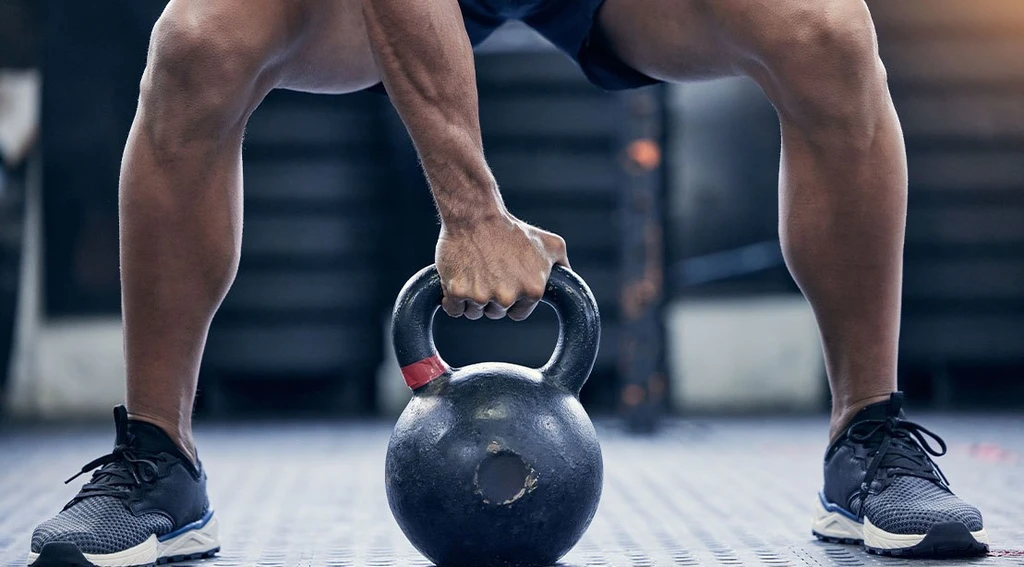
Kettlebell proponents argue this instability builds coordination and explosive power. However, the dynamic movements-swings, cleans, snatches-carry a higher technical risk. Poor form can place dangerous stress on the lower back and shoulders, especially for beginners.
Dumbbells offer controlled, stable, and scalable movements for presses, curls, rows, and squats. They are intuitive for virtually every population, from young athletes to sedentary adults, with a significantly lower risk of catastrophic failure.
For roughly 90 percent of lifters whose goals are hypertrophy, general fitness, or strength, dumbbells provide superior variety and easier progression. They remain the foundation for building muscle.
Kettlebells are best as supplemental tools for conditioning, grip work, and athletic training. Using them exclusively for all clients and goals is not intelligent programming. The human body responds to tension and overload, regardless of the implement. A century of world-class physiques was built before the kettlebell's resurgence.