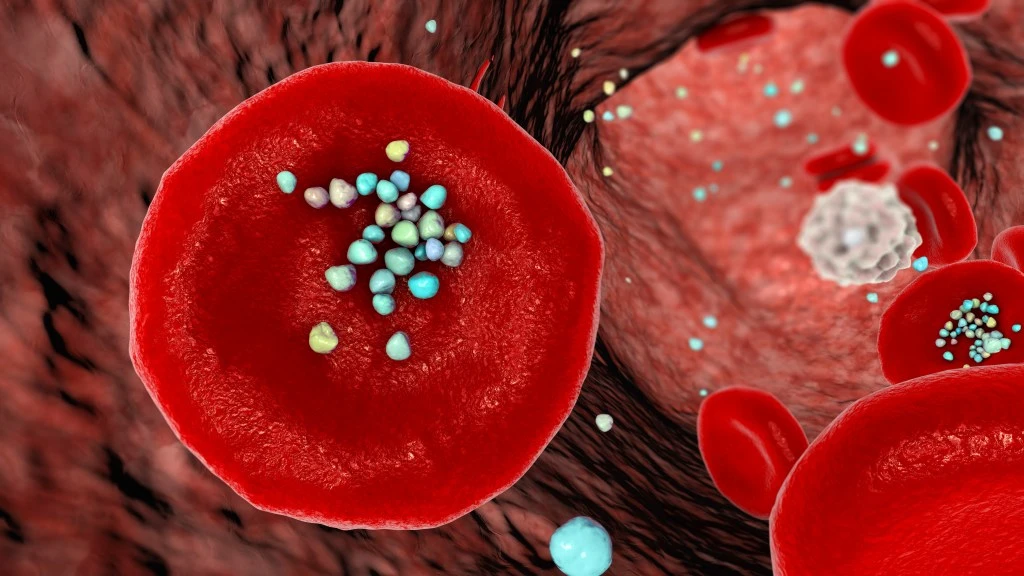
A growing body of research over the past decade has detected microplastics in human stool, fetal placentas, and organs including the liver, lungs, blood, and arteries. Recent studies suggest accumulation in the brain, raising personal health concerns beyond environmental impact. While some reports highlight risks and offer reduction tips, others question the scientific basis, pointing to potential alarmism.
Scientists confirm microplastic particles, generally under 5 millimeters, saturate the globe and can be ingested or inhaled. Concerns are mounting that these particles may accumulate in tissues, potentially disrupting bodily functions or leaching chemicals. Emerging evidence suggests links to cardiovascular, reproductive, and neurological hazards. A systematic review indicated suspected adverse effects on reproductive, digestive, and respiratory health, though much of the current research relies on animal studies.
Researchers are working to refine measurement techniques, acknowledging challenges in detecting these tiny substances and determining their precise quantity in the body. While uncertainty remains regarding exact amounts, the consensus is that microplastics are accumulating in humans. The leap from detection to proving causal harm is significant, with some studies suggesting microplastics might be markers for other high-risk exposures, such as air pollution or processed food diets.
Debate continues on whether current evidence warrants immediate action or further research. One perspective emphasizes the urgent need to reduce exposure due to plastics' persistence and the known harms of associated chemicals, with plastic production projected to triple by 2060. The opposing view stresses the necessity of a more robust research foundation to avoid misguided regulations and maintain public credibility.
Government agencies are initiating research programs to measure microplastic levels, identify toxic contaminants, and explore methods for removal from the body. However, experts caution that significant hurdles remain, and the feasibility of immediate removal strategies is uncertain. The focus remains on establishing a framework for future action as research on potential health effects matures.