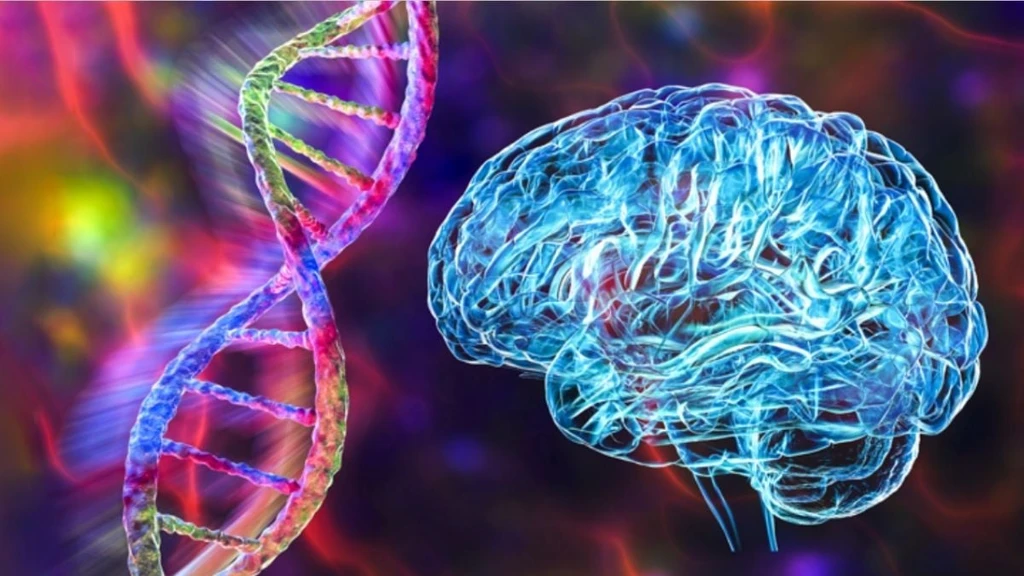
A landmark genomic study published in Nature reveals that most major psychiatric disorders are driven by just five underlying genetic signatures.
Researchers analyzed DNA from more than one million people diagnosed with one of 14 psychiatric conditions, alongside five million undiagnosed individuals.
The findings group disorders by shared genetic risk. Conditions with compulsive features, such as anorexia nervosa, Tourette syndrome, and obsessive-compulsive disorder, cluster together. Depression, anxiety, and PTSD form another group. Substance use disorders, and neurodevelopmental conditions like autism and ADHD, form the others.
In perhaps the study's most striking finding, the genetic architecture of schizophrenia and bipolar disorder overlaps so significantly that 70 percent of the genetic signal for schizophrenia is also present in bipolar disorder. This challenges the traditional separation of these diagnoses.
"Genetically, we saw that they are more similar than they are unique," said Andrew Grotzinger, assistant professor of psychology and neuroscience at CU Boulder. "This work provides the best evidence yet that there may be things we are giving different names to that are actually driven by the same biological processes."
This research suggests that future treatments could target these shared genetic pathways, potentially offering a single therapy for multiple conditions. With the World Health Organization estimating nearly one billion people live with a psychiatric disorder, the implications for mental healthcare are profound.