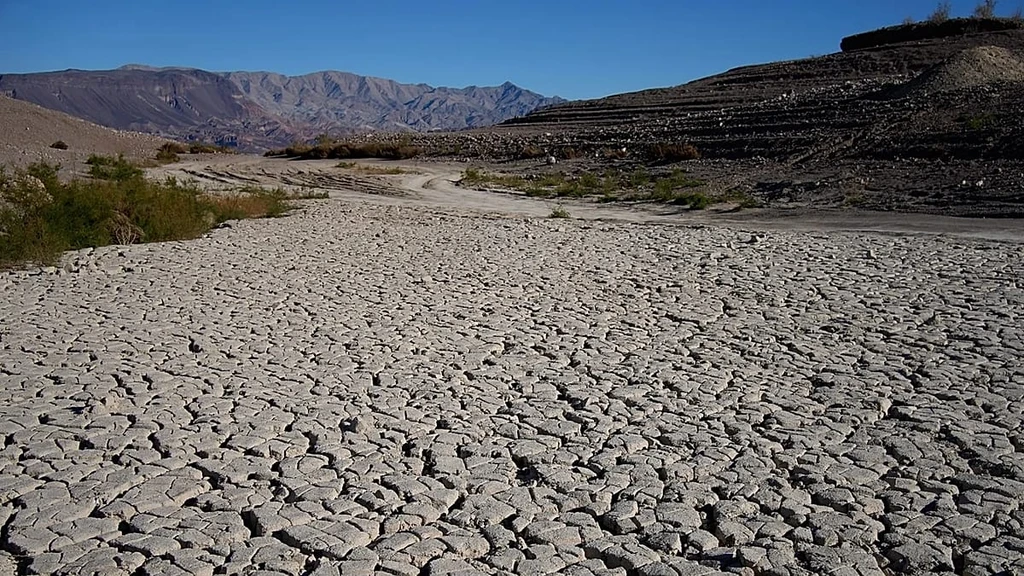
Drought increases the concentration of antibiotic-resistant microorganisms in the soil, which can significantly impact public health, according to a new study.
Researchers at the California Institute of Technology (Caltech) found that regional aridity is strongly correlated with the prevalence of antibiotic resistance in clinical settings across more than 100 countries.
Antimicrobial resistance (AMR) is a growing threat, responsible for over 35,000 deaths annually in the European Union alone. It occurs when pathogens no longer respond to antimicrobial medicines, often due to human activity such as misuse and overuse of antibiotics.
"Droughts are creating the same effects as overuse of antibiotics in the clinic: They both drive selection for antibiotic resistance," said Dianne Newman, professor of biology and geobiology at Caltech.
The study shows that as soil dries, natural antibiotics become more potent. Drought also alters how bacteria respond to antibiotics and affects their degradation rates.
"Bacteria are able to transfer genes to each other, and antibiotic-resistance genes have a high rate of transfer," said Xiaoyu Shan, lead researcher.
The findings highlight the need for better diagnostics and therapies, as AMR is projected to cause 39 million deaths between 2025 and 2050. With 5 billion people expected to live in drylands by the end of the century, the One Health approach-linking human, animal, plant, and environmental health-becomes increasingly critical.