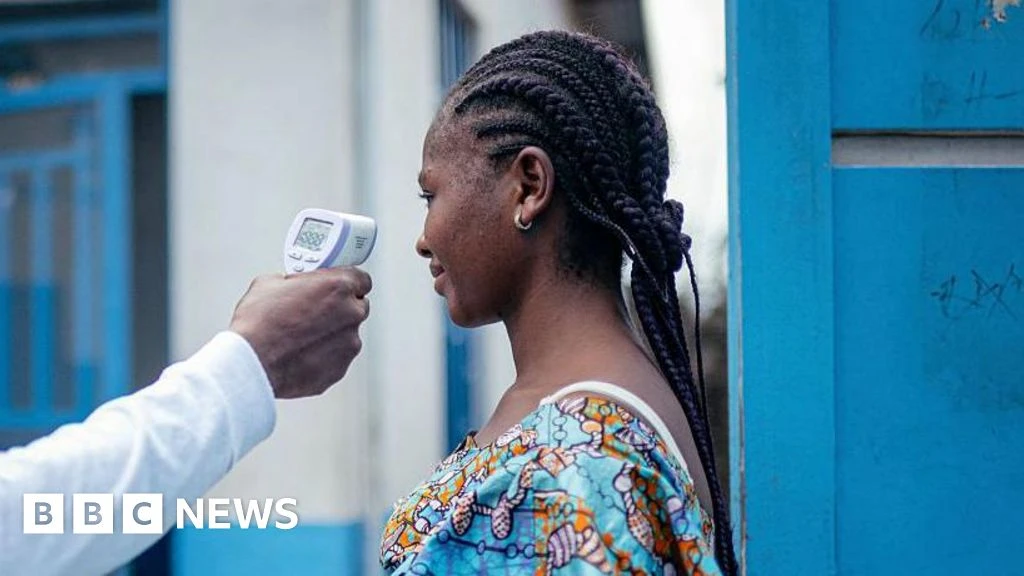
The World Health Organization has declared the Ebola outbreak in the Democratic Republic of Congo a public health emergency of international concern. The outbreak involves a rare strain, Bundibugyo, for which there is no approved vaccine, and is concentrated in an active conflict zone, complicating response efforts.
Ebola is a rare but deadly virus typically carried by fruit bats. Symptoms appear 2 to 21 days after exposure, starting with flu-like fever, headache, and fatigue, progressing to vomiting, diarrhea, and organ failure. The virus spreads via contact with infected bodily fluids.
This outbreak is caused by the Bundibugyo species, which has not been seen in over a decade and kills about one-third of those infected. Initial blood tests failed to detect it because they target more common strains. There is no approved vaccine or specific treatment for Bundibugyo.
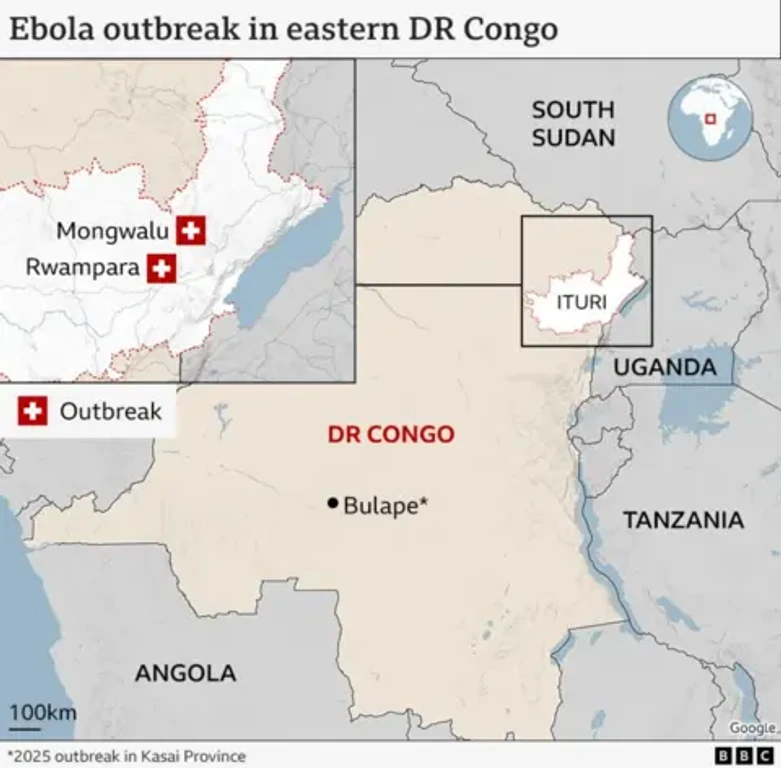
The first known case was a nurse who died on April 24 in Bunia. The virus spread undetected for weeks, and the true size of the outbreak remains unknown. Cases have been concentrated in the gold-mining towns of Mongwalu and Rwampara, with additional cases in Goma-a city of 850,000 under rebel control. Two Congolese nationals have also died in Kampala, Uganda.
Complicating factors include distrust in the medical system, with some communities attributing the illness to witchcraft. The region is also plagued by displacement, porous borders, and the presence of the AFC-M23 rebel group, which controls parts of the affected area.
The government, WHO, and Médecins Sans Frontières are deploying response teams and establishing treatment centers. Neighboring Rwanda and Uganda are intensifying border screening. Uganda has postponed the annual Martyrs' Day pilgrimage to prevent mass gatherings.