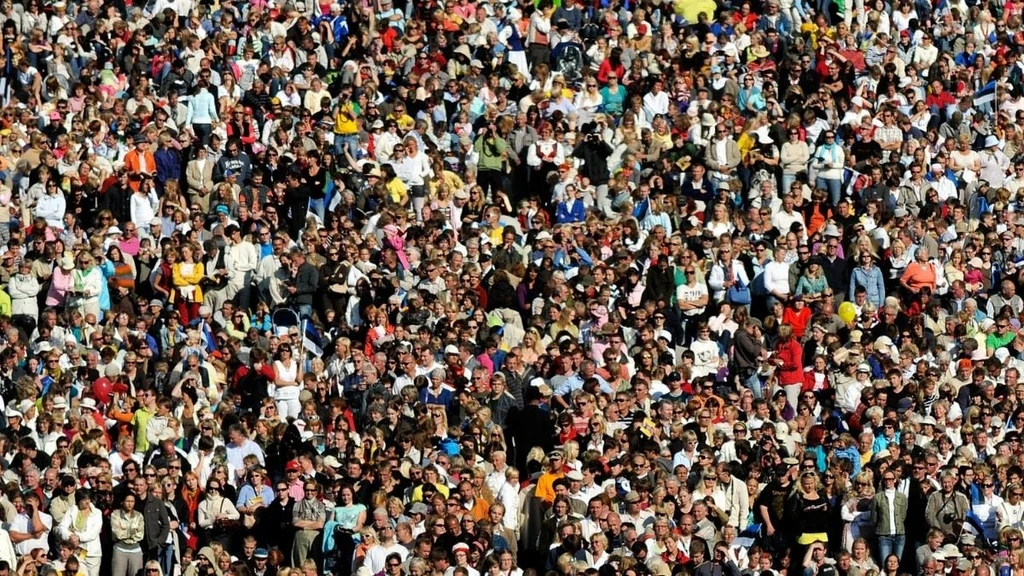
The human population has surpassed Earth's sustainable carrying capacity, according to a new study by Flinders University.
Using over 200 years of population data, researchers found that current consumption levels are unsustainable. The planet’s resources cannot support 8.3 billion people without severe consequences.
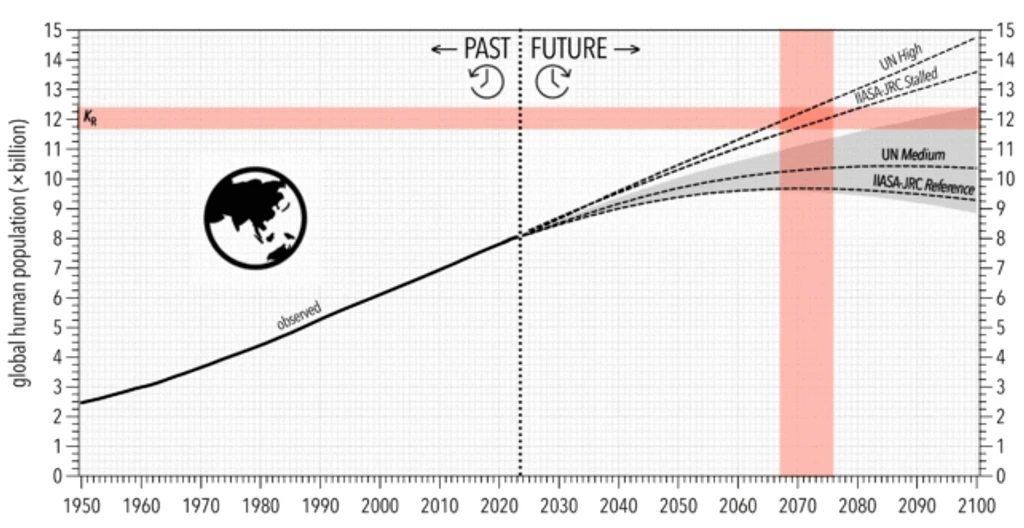
Corey Bradshaw and his team estimate maximum carrying capacity at 12 billion, but the optimal level for sustainability is just 2.5 billion. Global population growth has slowed since the 1960s, but even at a slower pace, the strain on the planet remains significant.
"The Earth cannot support today’s demand without major changes," said Bradshaw. "Our life support systems are under strain."
The study suggests rising population, not increased per capita consumption, drives ecological footprint and emissions. Fossil fuel dependence has artificially expanded Earth’s capacity, but the cost is climate disruption and resource depletion.
"Smaller populations with lower consumption create better outcomes," said Bradshaw. "The window to act is narrowing, but meaningful change is still possible."
Researchers note that population control raises ethical concerns and that global models include significant uncertainties.