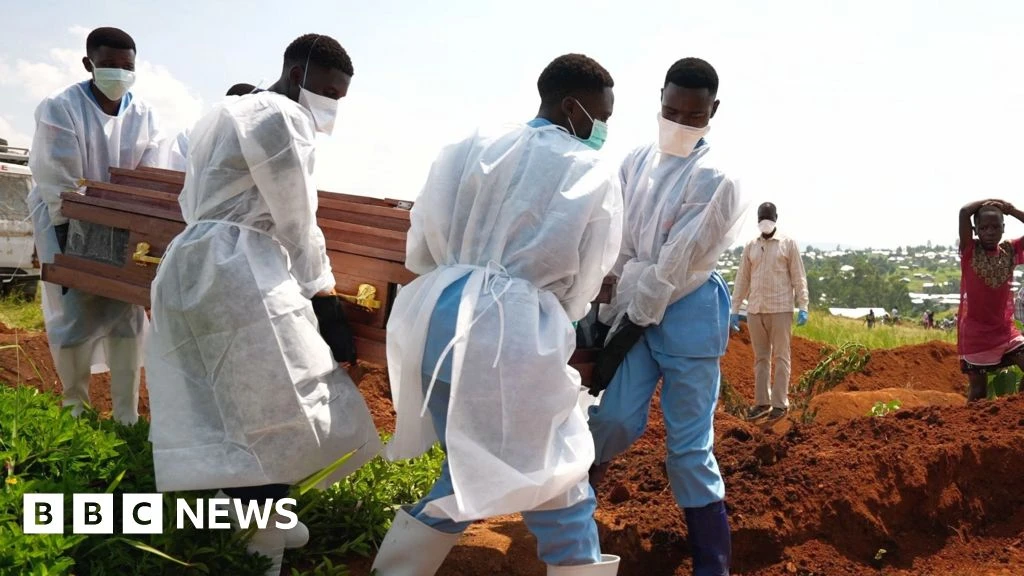
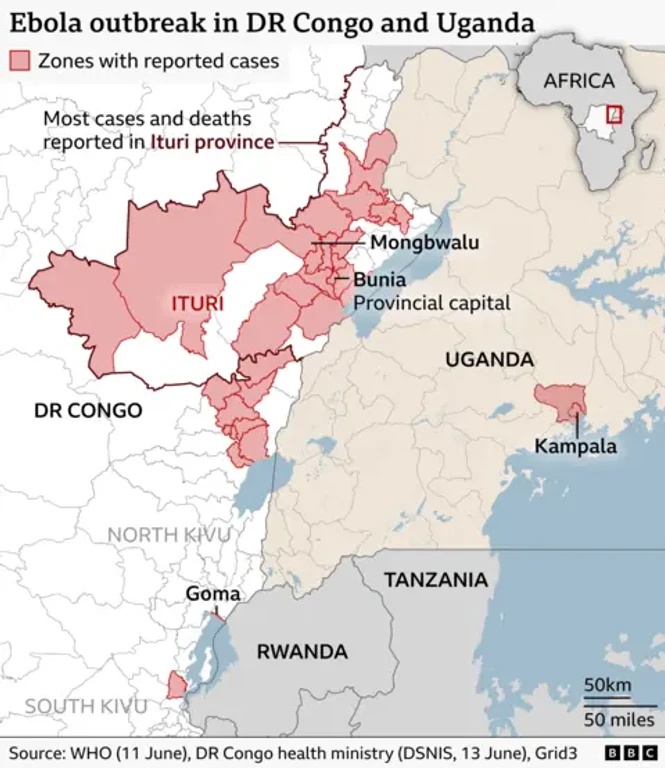
A rare Bundibugyo Ebola strain has killed nearly 200 people in Ituri province, Democratic Republic of Congo, forcing a collision between public health protocols and sacred mourning traditions. In Bunia, the outbreak's epicenter, families like that of Joel Lonza Makumbu are enduring devastating losses while navigating strict safety measures designed to halt transmission through bodily fluids.
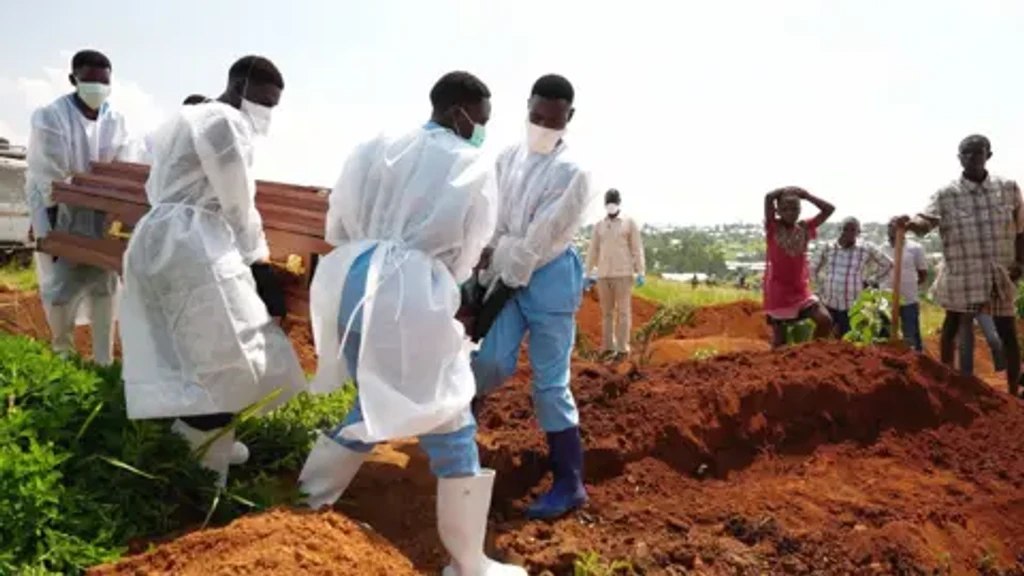
Traditional burial rites, which typically involve washing bodies and multi-day ceremonies, are currently suspended to prevent viral spread. The World Health Organization and International Federation of the Red Cross have deployed anthropologists to negotiate safe alternatives with grieving communities. These adaptations include using coffins with transparent panels and body bags with clear viewing films, allowing families to maintain visual contact with the deceased without physical risk.
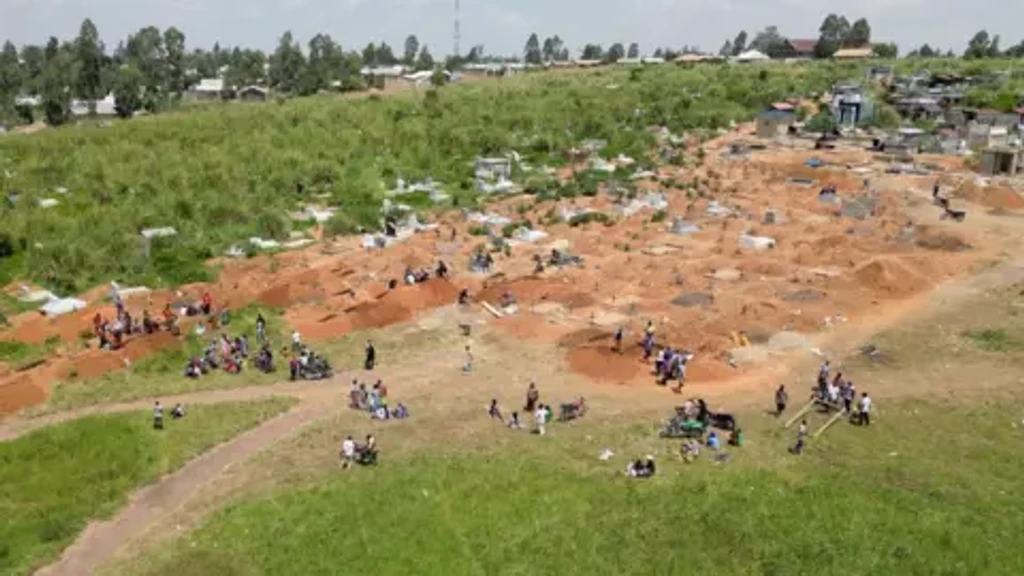
Cultural sensitivity remains critical to containment efforts. WHO anthropologist Julienne Anoko reports that even complex issues, such as the burial of pregnant women, require careful negotiation to align infection control with local beliefs about the afterlife. Health workers emphasize that accommodating family wishes within safety boundaries is essential for maintaining community trust and ensuring compliance with life-saving protocols.
Despite these interventions, misinformation persists alongside the virus. Survivors and health officials continue urging the public to acknowledge the reality of the outbreak as treatment centers remain active across the region. The crisis underscores the delicate balance required when managing infectious diseases in culturally rich environments where ancestral traditions hold profound significance.