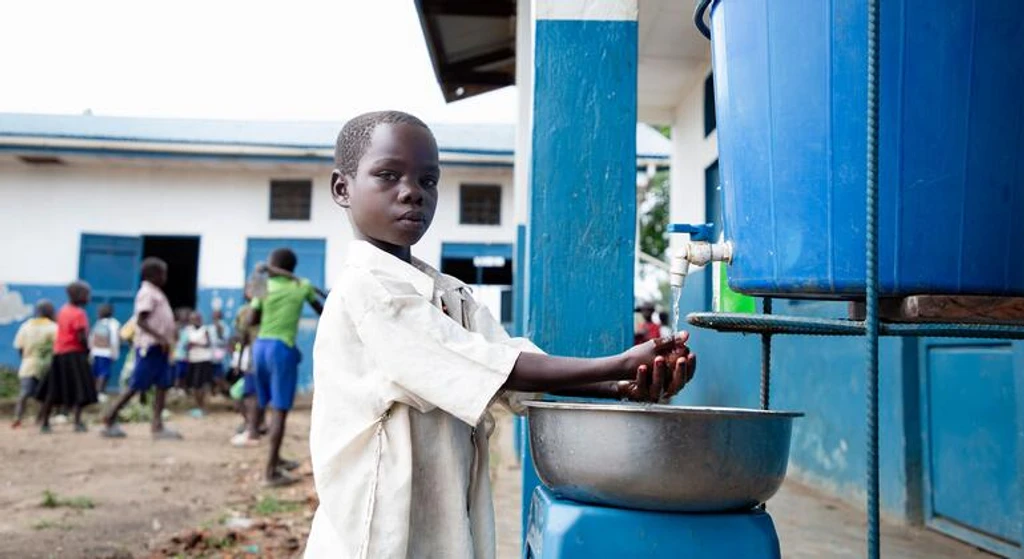
The World Health Organization warns of a high regional risk from the Bundibugyo strain of Ebola in the Democratic Republic of Congo, though it says the global risk remains low. The UN health agency has confirmed 51 cases in the provinces of Ituri and North Kivu, with suspected cases nearing 600 and 139 suspected deaths. Two cases have also been detected in Kampala, Uganda.
No licensed vaccine or specific treatment exists for this rare strain, which health authorities are working to contain in a region plagued by insecurity and displacement. The WHO’s Dr. Marie Roseline Belizaire stressed that public trust is essential: “Every epidemic begins in a community and ends in a community. If we don't have this community trust, no matter what actions we take, they will not be accepted.”
Health officials are setting up treatment centers close to populations, providing medical care, psychosocial support, and food. The UN peacekeeping mission MONUSCO, the World Food Programme, and Doctors Without Borders are supporting the logistics, with over 11 tons of equipment airlifted to Bunia.
The WHO is drawing on lessons from the 2018-2020 outbreak in the same region, which was contained despite similar security challenges. Unlike the more common Zaire strain, the Bundibugyo strain has no approved vaccine. Dr. Belizaire said discussions are underway to accelerate research for potential treatments.