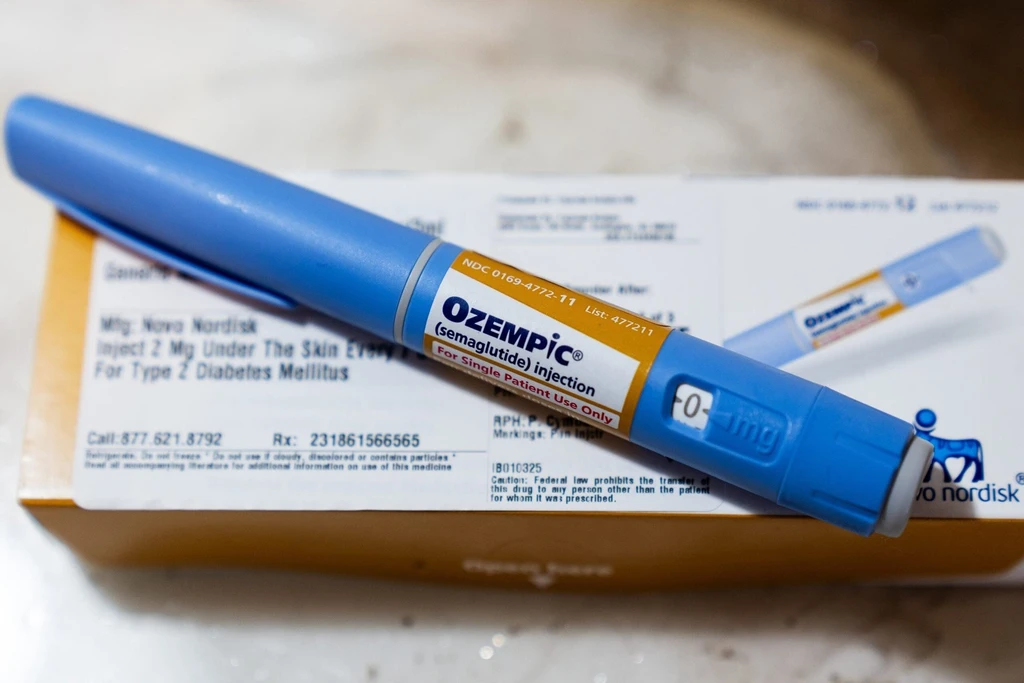
The Food and Drug Administration on April 30 proposed excluding Novo Nordisk and Eli Lilly’s weight-loss drugs from a key compounding list. The move would limit large-scale production by outsourcing facilities, impacting telehealth firms that depend on these operations.
The FDA said it found no clinical need for outsourcing facilities to compound semaglutide, the active ingredient in Novo's Wegovy and Ozempic, and tirzepatide, sold as Zepbound and Mounjaro by Lilly. The proposal also includes Novo's older drug liraglutide.
Drugmakers Respond
Both Lilly and Novo commended the FDA's decision. “There is no basis for compounders to make tirzepatide knockoffs,” a Lilly spokesperson said. A Novo spokesperson added, “The agency’s notice reaffirms that compounding is meant to be a rare exception to FDA’s standard drug approval framework.”
What Compounding Is
Compounding allows pharmacies to mix ingredients for specialized medicines or copy drugs at different dosages, legal during shortages or for patient-specific needs. The FDA is reviewing the 503B bulks list, which identifies drug ingredients for outsourcing facilities. The 503A provision allows state-licensed physicians and pharmacists to compound for individual patients.
Telehealth firms, like Hims & Hers, often use 503A pharmacies for personalized doses, so the FDA's exclusion from the 503B list may not immediately impact compounding of GLP-1 drugs.
Next Steps
The FDA will accept public comments until June 29 before issuing a final decision.