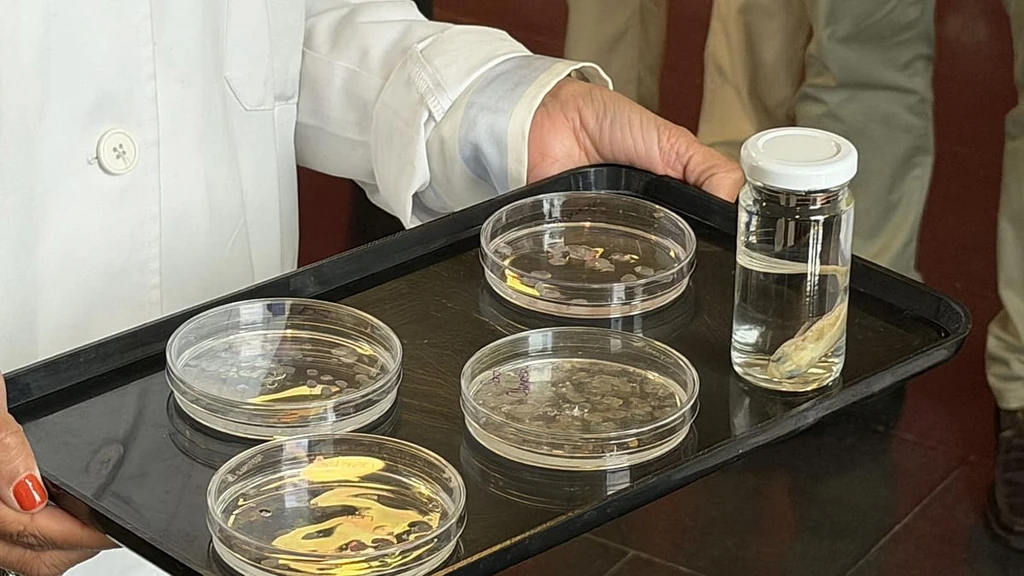
Scientists in Spain have discovered a novel source for corneal implants: discarded fish scales. Researchers at the University of Granada have transformed scales from carp and other fish into a biocompatible, durable, and transparent material capable of repairing damaged corneas.
The cornea, crucial for clear vision, often requires transplantation when diseased due to poor healing and lack of blood supply. However, donor tissue is scarce, with demand far exceeding supply. This breakthrough offers a potential solution without relying on organ donation.
The study, published in 'Materials & Design', details the development of this biomaterial. Laboratory and animal tests have shown promising functional results.
Beyond its medical applications, the material is inexpensive and readily available as a by-product of the fishing industry. This could provide an economic boost to the sector.
While preliminary results are encouraging, human clinical trials are still required before these implants can be used in surgery. The Granada team has demonstrated the material's biological and structural viability, offering a data-backed hypothesis for a solution to the ongoing cornea donor shortage.