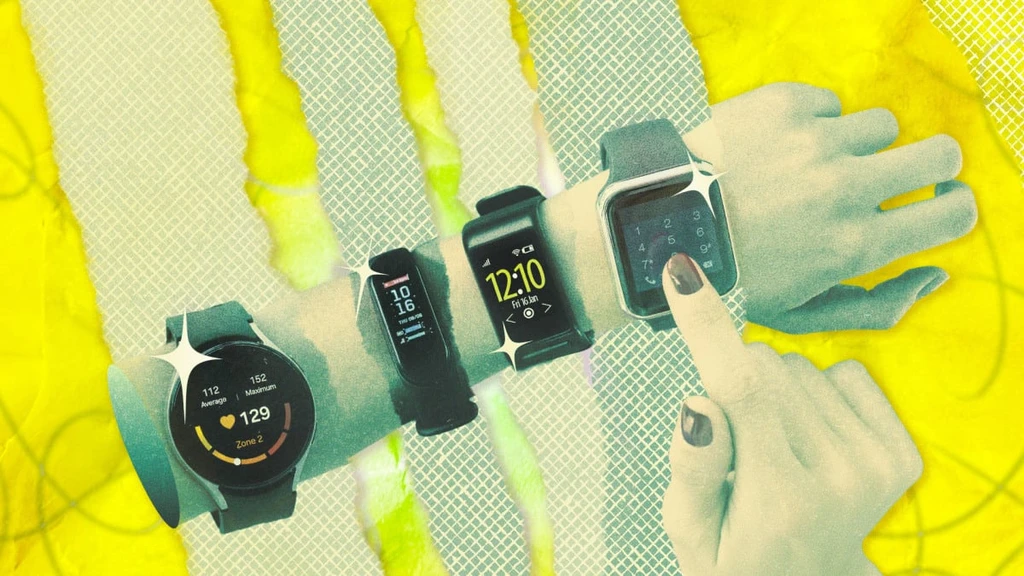
Affluent professionals increasingly wear multiple fitness devices: Garmin or Apple Watch for activity, Oura Ring for sleep, Whoop for recovery. But experts warn this setup rarely delivers additive insight.
Dr. James Mitchell, University of Colorado Anschutz, explains: "Apple Watch, Oura, and Whoop are largely measuring the same physiological signals and repackaging them through different algorithms. You're not tripling your information-you're tripling your noise."
Most consumer wearables are not medical-grade. FDA clearance applies only to specific features-not broad daily metrics. Their real value lies in long-term trend detection-not real-time clinical decisions.
Mitchell identifies four high-value metrics: resting heart rate trends, HRV (as a recovery indicator), sleep duration, and step count. "Stress scores," "readiness scores," and "body battery" lack robust validation and risk displacing intuitive self-awareness.
Risks include privacy exposure, orthosomnia-sleep anxiety driven by score obsession-and subscription fatigue. Whoop and Oura require recurring fees with diminishing returns absent behavior change.
The sweet spot? One or two metrics aligned to a specific goal-endurance training, chronic condition management, or physician-guided pattern identification. For healthy adults with no urgent objective, wearables often deliver anxiety, not insight.