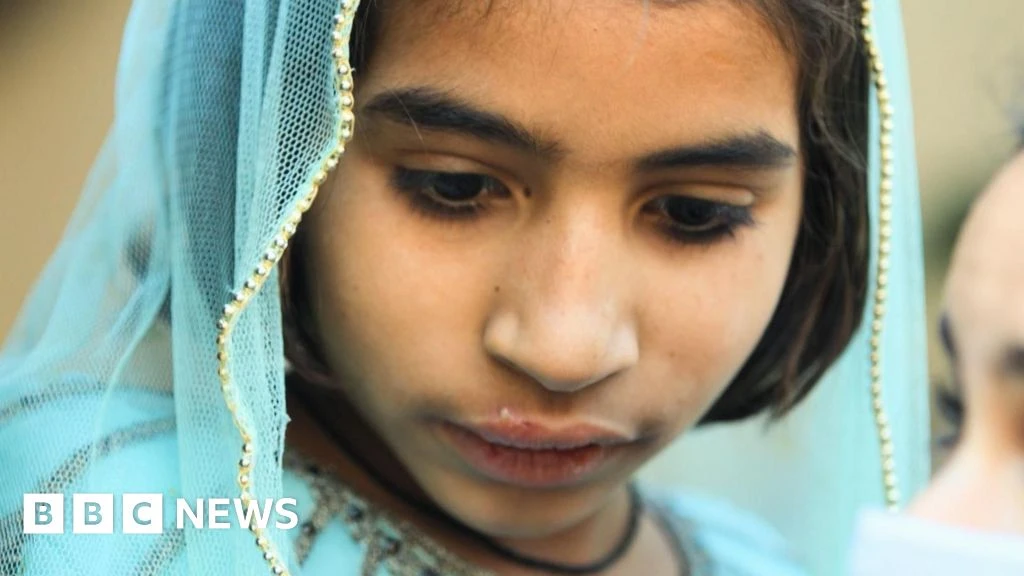
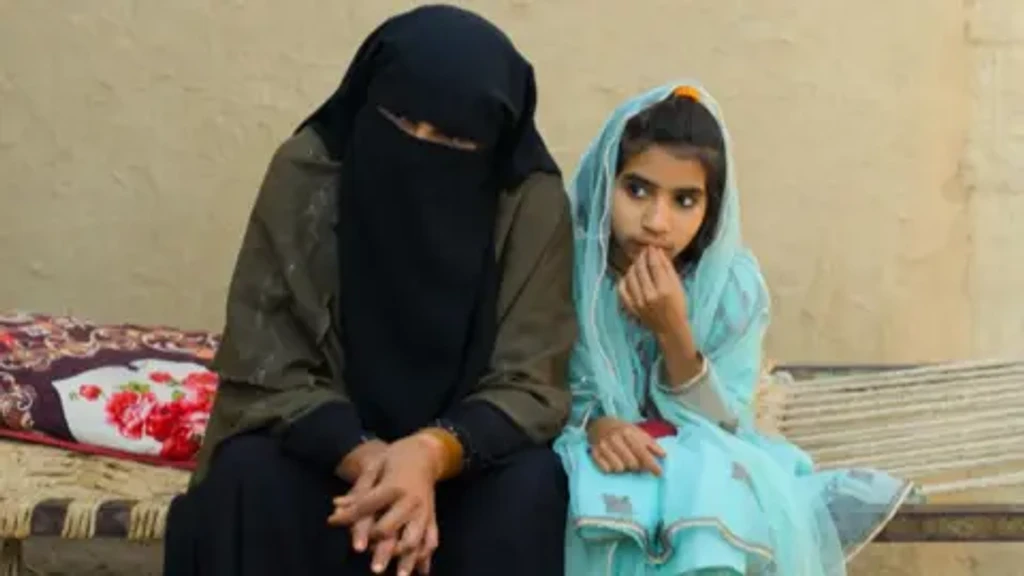
An undercover investigation by BBC Eye has revealed dangerous injection practices at THQ Taunsa hospital in Pakistan's Punjab province, a facility linked to an outbreak of HIV among children. Over 331 children tested positive for HIV in the region between November 2024 and October 2025.
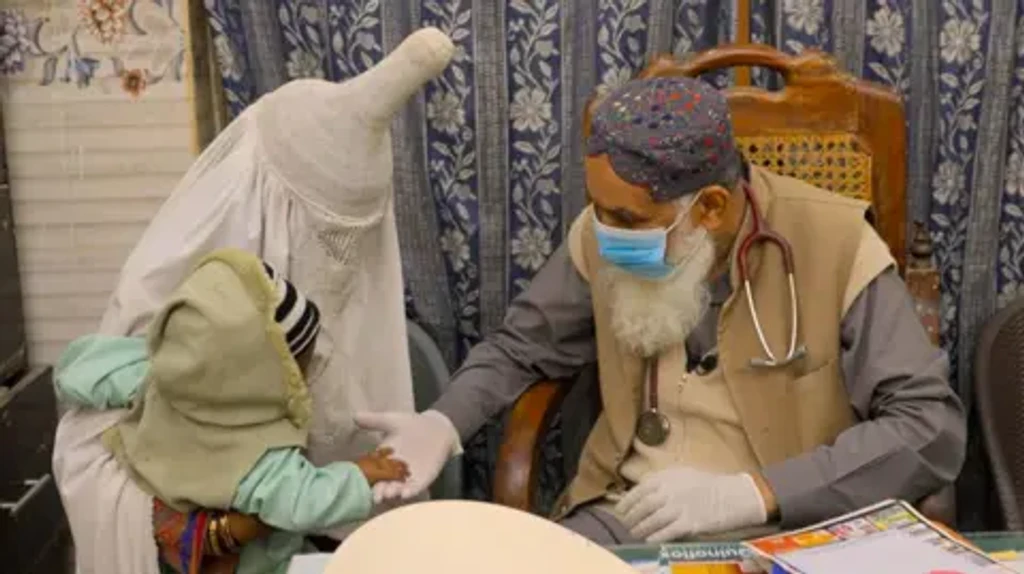
During 32 hours of filming, investigators witnessed syringes being reused on multi-dose vials 10 times, with the same medicine administered to different children in four instances. Experts warn this practice creates a high risk of viral transmission.
Footage also showed hospital staff, including a doctor, injecting patients without sterile gloves on 66 occasions. A nurse was filmed rummaging through medical waste without gloves. Despite these findings, the hospital's new medical superintendent, Dr. Qasim Buzdar, refused to acknowledge the footage's authenticity, suggesting it could be staged or predate his tenure.
Dr. Gul Qaisrani, a local private doctor, first raised concerns in late 2024 after observing a surge in HIV-positive children, most of whom had received treatment at THQ Taunsa.
The Punjab government suspended the hospital's medical superintendent in March 2025 when cases numbered 106. However, unsafe practices continued months later, according to the BBC investigation.
In a statement, the local government contested that THQ Taunsa was conclusively established as the source, citing a joint mission that highlighted unregulated private practices and unscreened blood transfusions. However, a leaked report from this mission detailed similar concerns, including unsafe injection practices in the pediatric emergency room.
Experts point to systemic issues, including a cultural preference for injections and shortages of medicines, as contributing factors to unsafe practices. Similar outbreaks linked to syringe reuse have been reported elsewhere in Pakistan, including in Ratodero and Karachi.