
Scientists have uncovered why carriers of the APOE2 gene variant have a lower risk of Alzheimer's disease and tend to live longer.
Researchers at the Buck Institute for Research on Aging used human stem cell-derived neurons and mouse studies to reveal that APOE2 helps keep DNA inside neurons intact, protecting against age-related damage.
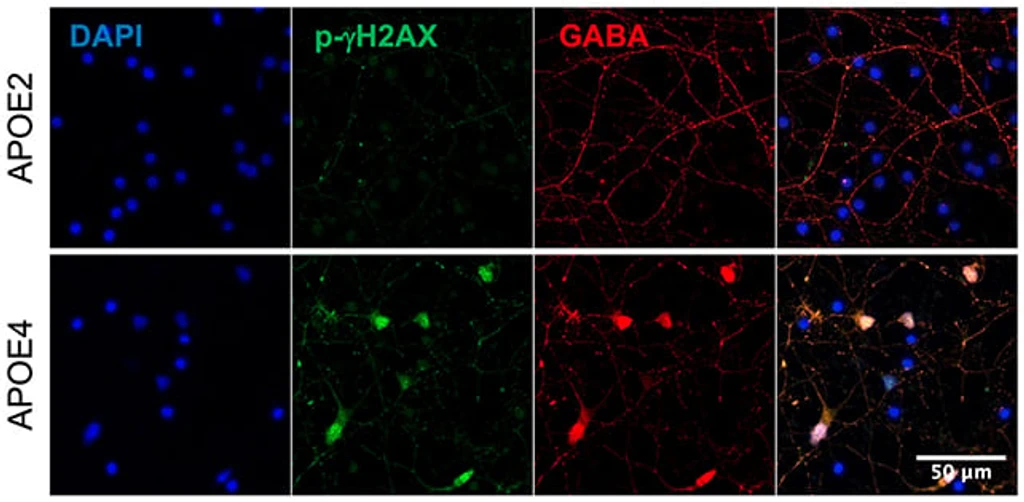
"APOE2 neurons are better at preventing and repairing DNA damage, and they resist the cellular aging program," said chemist Lisa Ellerby.
The team found that APOE2 neurons collect less damage and recover faster when stressed, compared to neurons with the APOE3 or APOE4 variants. APOE4 is known to significantly increase Alzheimer's risk.
Crucially, treating APOE4 neurons with the APOE2 protein helped protect against damage, suggesting potential therapeutic avenues. The study points to entirely new directions for developing drugs that mimic APOE2's protective effects.
However, further research is needed to fully understand the step-by-step mechanisms before treatments can be developed.