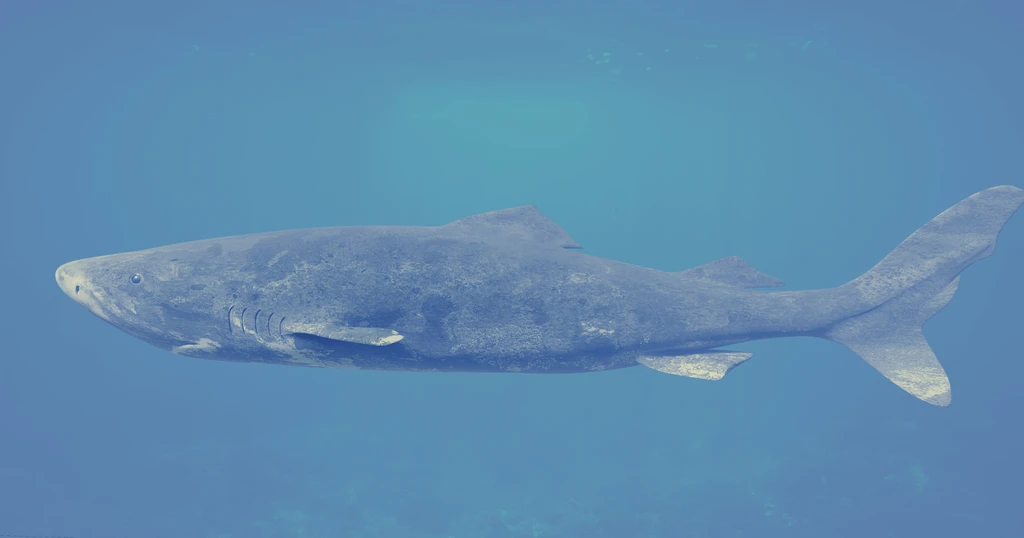
The Greenland shark moves through the North Atlantic at the pace of a slow walk. Its heart beats once every twelve seconds. It grows just one centimetre per year, delaying sexual maturity until roughly age 150. This means sharks breeding in these waters today were already alive when the American Revolution began.

Scientific research confirms this animal is the longest-lived vertebrate known. A 2016 study using radiocarbon dating estimated a maximum lifespan approaching 400 years. A shark born in 1875 is only now reaching reproductive age today.
New research from the Scuola Normale Superiore in Italy reveals a paradox: while the shark's heart tissue shows severe signs of aging, including fibrosis and cellular damage, the organ continues to function. Scientists attribute this to the animal's extremely slow metabolism in deep, cold Arctic waters. The shark's genetic profile is now being studied for insights into human aging.
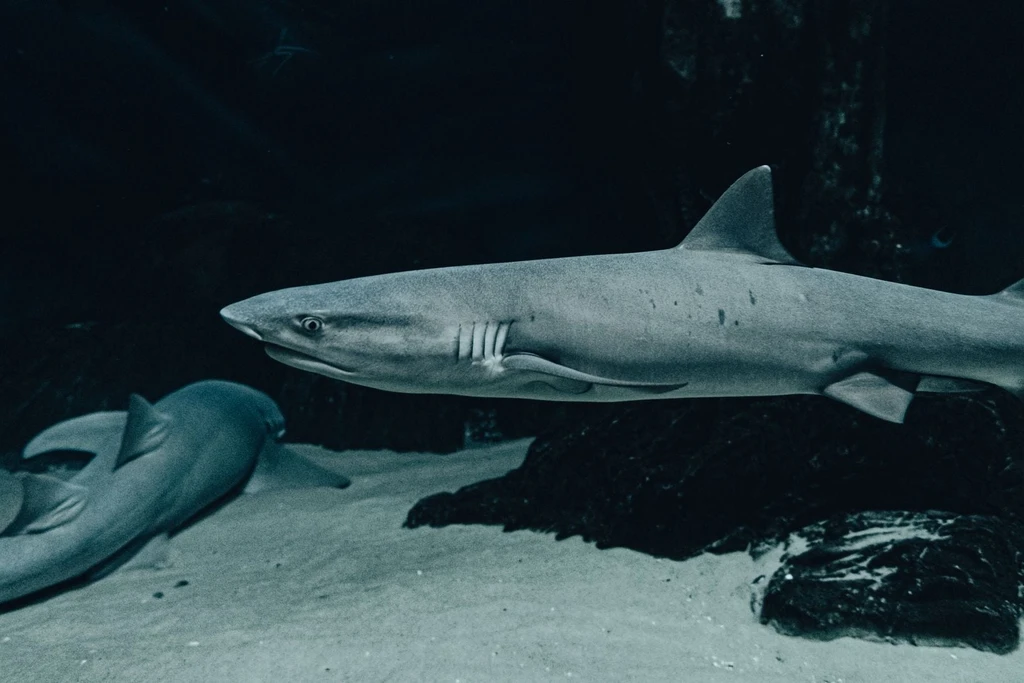
This extreme timeline makes the species exceptionally vulnerable. A shark killed before age 150 never reproduces. Toxicity in its flesh, used to make the Icelandic dish hákarl, has likely prevented overfishing.
Individuals alive today swam under Arctic ice while Newton wrote the Principia and Bach composed in Leipzig. A juvenile born now will not breed until approximately the year 2175.