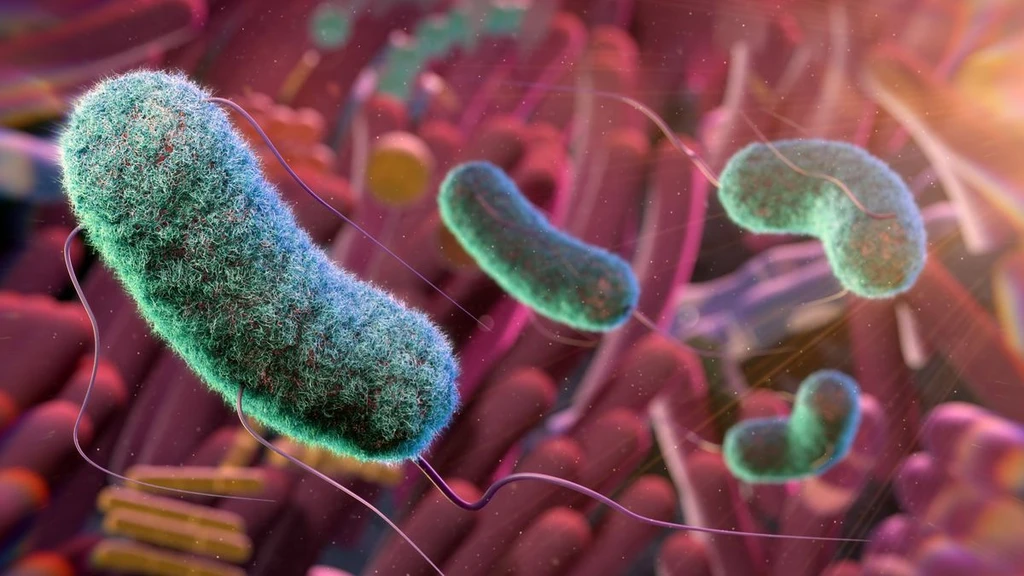
The quest for a Fountain of Youth has shifted focus to the gut microbiome, a complex community of microorganisms residing in the colon. These microbes are crucial for digestion and produce molecules affecting both physiology and psychology. Factors like genetics, diet, environment, and medication influence their composition.
As people age, their gut microbes tend to become less diverse, with an increase in inflammation-promoting bacteria. However, individuals who age exceptionally well often possess a microbiome resembling that of younger people, suggesting a link between a youthful microbiome and healthy longevity. Research using fecal microbiota transplantation in animal models has demonstrated that transferring young microbiota can reverse age-associated inflammation, while old microbiota can accelerate aging.
While fecal transplantation carries risks and is approved for specific severe infections, researchers are seeking safer methods to cultivate an age-friendly microbiome. Lifestyle choices like diet and exercise are key. A poor diet, particularly one high in processed foods and low in fiber, depletes microbiome diversity. Conversely, adequate fiber intake nourishes beneficial gut bacteria, producing short-chain fatty acids that enhance metabolic, brain, and immune function, while reducing inflammation. Good sources of fiber include fruits, vegetables, whole grains, legumes, nuts, and seeds.
Physical activity also contributes to a youthful microbiome. Regular exercise can reshape the gut bacteria of older adults to resemble those of younger individuals, leading to healthier bacteria and increased levels of aging-friendly compounds.
Beyond lifestyle, treatments targeting the microbiome are emerging. Postbiotics, the beneficial compounds produced by microbes, and even low-dose antibiotics that trigger the release of health-promoting factors are being investigated. Bacteriophages, viruses that selectively kill bacteria, are also being studied for their potential to eliminate gut bacteria linked to unhealthy aging. Cultivating a healthy microbiome may be key to enjoying later life more fully.