In the wake of the hantavirus outbreak on the MV Hondius cruise ship, health experts are flagging everyday places where Americans might encounter the virus without knowing it.
The Andes strain linked to the ship is the only hantavirus capable of person-to-person spread, typically through prolonged close contact. Most U.S. cases, however, are tied to the Sin Nombre strain, primarily in the desert Southwest and West Coast, says Dr. Linda Yancey of Memorial Hermann in Houston.
Hantavirus spreads through contact with infected deer mice and their urine, droppings, or saliva. Inhalation of contaminated dust is the main route of infection, especially when cleaning enclosed, poorly ventilated spaces.
Risky locations include garages, sheds, cabins, attics, barns, crawl spaces, storage units, and even unused cars, RVs, or boats. The National Park Service notes most human cases occur in spring, linked to buildings heavily infested over winter.
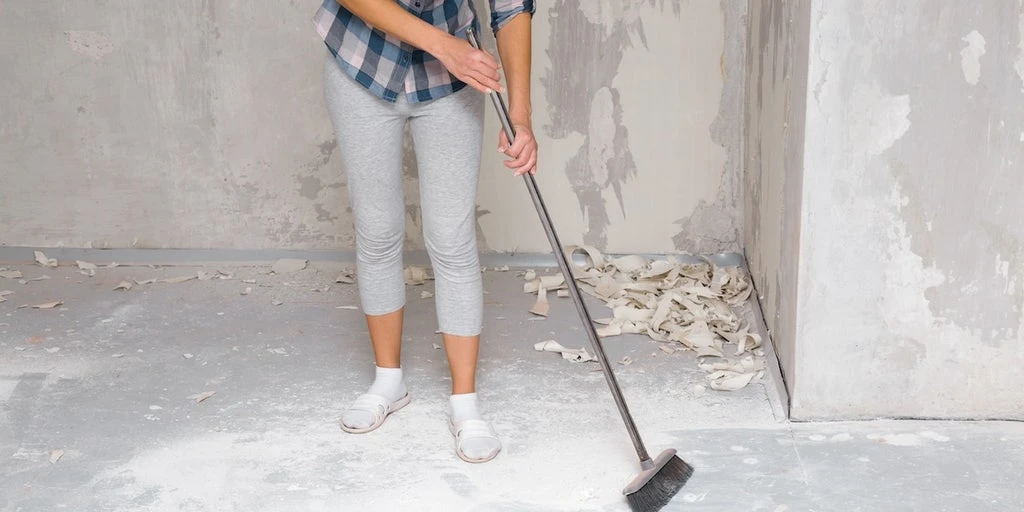
"Most people are exposed when cleaning out sheds and garages," Yancey confirms. To prevent infection, she advises wearing a mask and using a diluted bleach solution to wet down dust before cleaning. Avoid sweeping or vacuuming, as this can aerosolize the virus.
Dr. Marc Siegel, Fox News senior medical analyst, emphasizes hantavirus is very rare in the U.S. and mostly seen in specific parts of Europe and Asia, urging the public not to overpersonalize the risk.