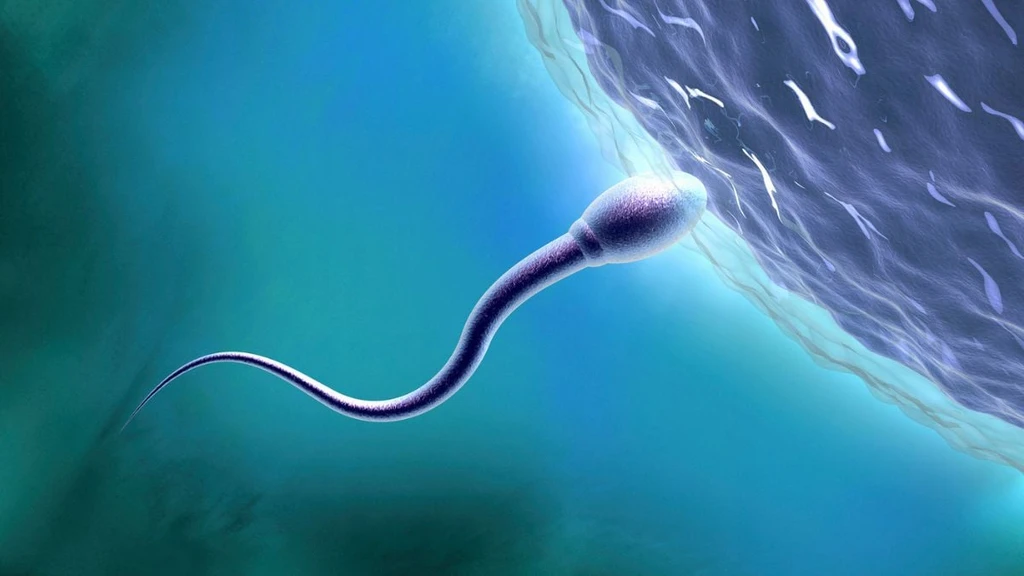
A team of toxicologists and biologists is sounding the alarm: the world is so saturated with synthetic chemicals that they may be fueling a 'silent' fertility crisis.
In a new review published in npj Emerging Contaminants, researchers argue that a cocktail of pollutants-pesticides, plastics, and PFAS (per- and polyfluoroalkyl substances)-combined with the mounting pressures of climate change, threatens reproductive health across species. This includes humans, marine mammals, birds, fish, and reptiles.
The data is stark. Wildlife populations have plummeted by more than two-thirds in just 50 years. Human infertility rates, in both men and women, appear to be rising. While no single cause has been confirmed, the finger is pointing at more than 1,000 known hormone-disrupting chemicals on the market.
Only one percent of synthetic chemicals have received sufficient safety evaluations, according to some estimates. Lead author Susanne Brander, an ecotoxicologist at the University of Oregon, states that human fertility trends parallel those seen in wildlife, highlighting a system where all living organisms are involuntarily exposed to untested compounds.
History provides clear warnings. The insecticide DDT, famously detailed in Rachel Carson's Silent Spring, caused bird eggshells to thin and led to population crashes. It is now linked to lower sperm counts in humans globally. PFAS have been linked to reduced fertility in women, with companies allegedly knowing about the toxicity for decades. Microplastics are now found accumulating in human testicles, though their exact reproductive impact remains unknown.
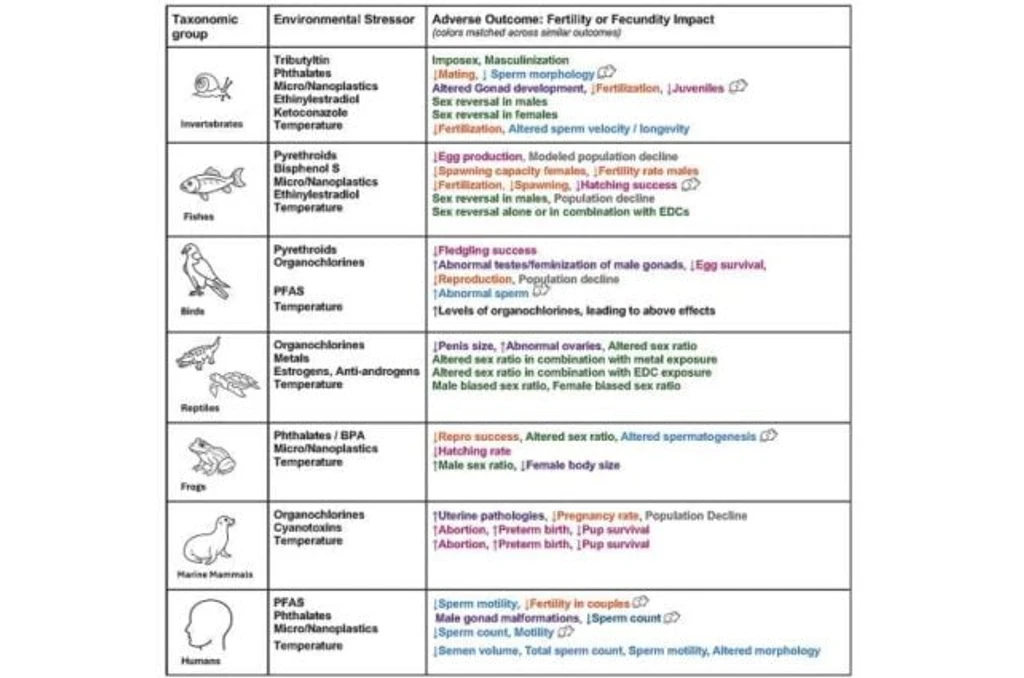
The review concludes that the current push for a Global Plastics Treaty recognizes that plastic pollution, carrying thousands of potential endocrine-disrupting chemicals, represents a planetary health crisis demanding urgent action.