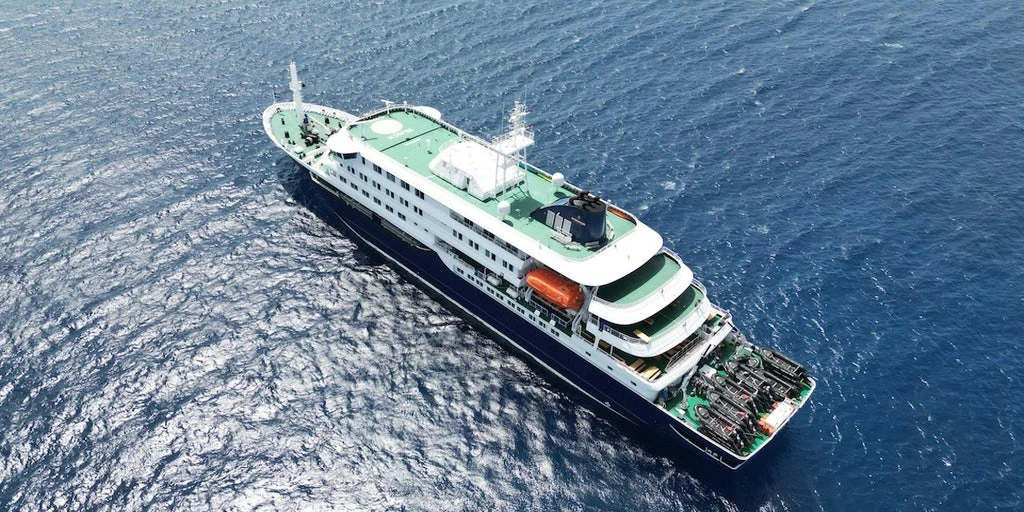
A suspected hantavirus outbreak aboard a cruise ship in the Atlantic has left at least three people dead and triggered an international investigation. The World Health Organization has confirmed one case of hantavirus infection, with five additional suspected cases pending. Of the six affected, three have died and one is in intensive care in South Africa.
Hantaviruses are a group of viruses primarily carried by rodents that can cause severe respiratory or renal diseases in humans. Most hantaviruses found in the Americas can cause Hantavirus Pulmonary Syndrome (HPS), which has a nearly 40% fatality rate. Transmission occurs when humans inhale virus particles from disturbed rodent urine, droppings, or nesting materials.
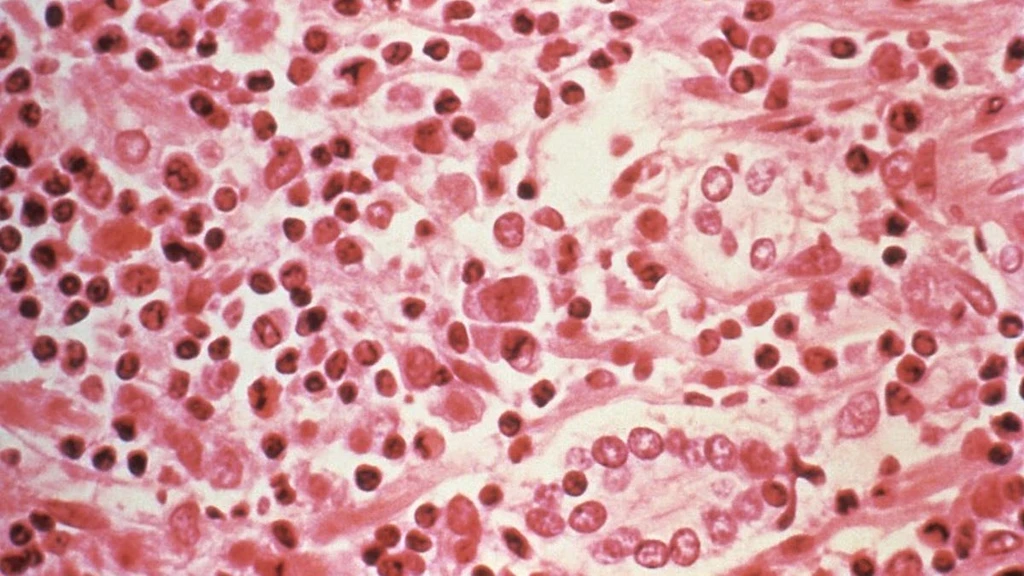
Early symptoms include fever, muscle aches, fatigue, and gastrointestinal issues, appearing one to eight weeks after exposure. These progress to serious respiratory symptoms four to 10 days later. There is no specific antiviral treatment, and early intensive care with oxygen therapy is critical. Even with medical care, 30% to 40% of people who develop HPS will not survive.
Prevention involves keeping wild rodents out of homes, cleaning up rodent waste with rubber gloves and disinfectant, and avoiding infested areas. The most common carrier in the U.S. is the deer mouse.