The uterus, a vital organ, plays a key role in reproductive health. Conditions like endometriosis and uterine fibroids can cause significant pain and heavy bleeding, impacting quality of life. While the exact causes are still being researched, hormonal therapies are often the first line of treatment.
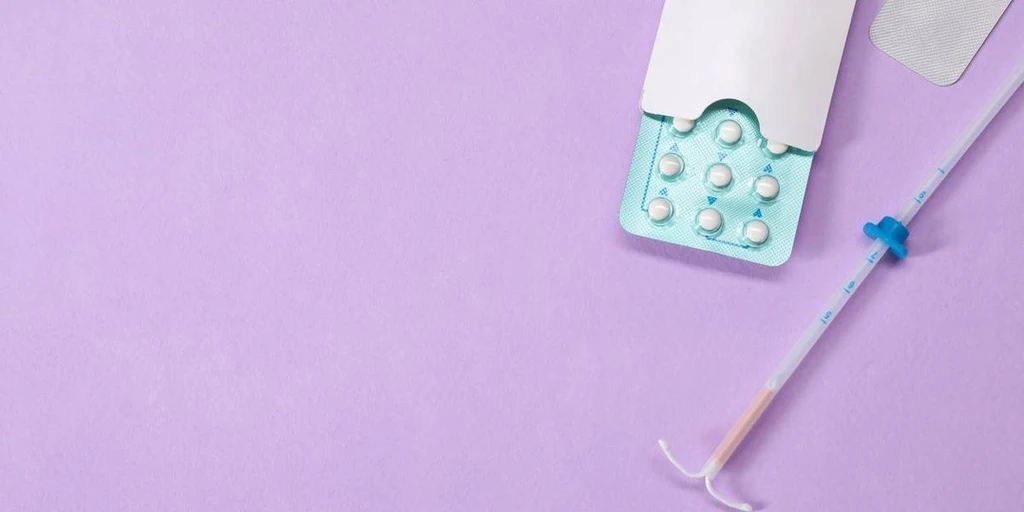
These treatments regulate hormones such as estrogen and progesterone to alleviate symptoms. They are not cures but can manage heavy menstrual bleeding, control cycles, and shrink fibroids. Options include low-dose birth control pills, GnRH agonists and antagonists, progestin-releasing IUDs, injections/implants, and steroids.
Benefits include slowing fibroid growth, preventing endometriosis progression, reducing bleeding, and easing pain. However, risks can include heart attack, stroke, blood clots, breast cancer, and osteoporosis. Some treatments are used short-term to prepare for surgery.
Consulting an OB-GYN is crucial to discuss personal health goals, symptom priorities, potential side effects, and past medication history to determine the most effective treatment plan.