
How often you poop may be a strong indicator of your overall health. A 2024 study of 1,425 generally healthy adults found that those reporting one to two bowel movements per day-the 'Goldilocks zone'-showed the strongest health markers.
Researchers from the Institute for Systems Biology analyzed participants’ stool and blood samples, genetics, diet, and lifestyle. They grouped bowel habits into four categories: constipation (1-2 times weekly), low-normal (3-6 times weekly), high-normal (1-3 times daily), and diarrhea (4+ watery stools daily).

People with infrequent bowel movements had higher levels of gut bacteria linked to protein fermentation-a process that produces toxins like indoxyl-sulfate, which can damage kidneys. Those with frequent diarrhea showed microbes typically found in the upper GI tract and blood biomarkers associated with liver stress.
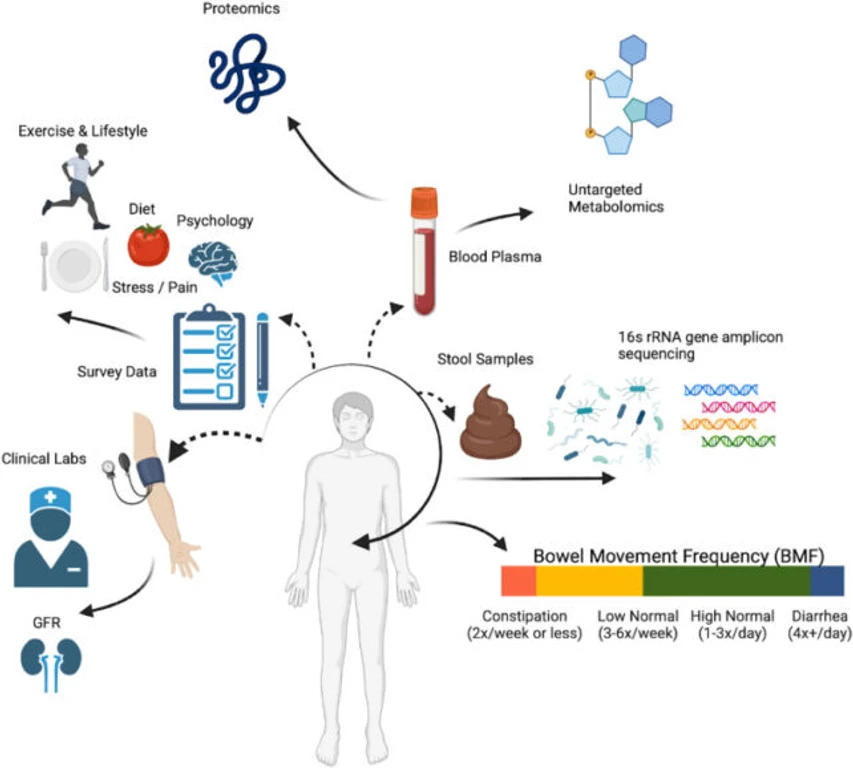
Participants in the optimal range consumed more fiber, drank more water, and exercised regularly. Their stool contained beneficial bacteria that ferment fiber into short-chain fatty acids-key compounds for metabolic and immune health.

The findings suggest bowel frequency isn’t just a digestive issue-it reflects systemic health and may even be modifiable through diet, hydration, and exercise.