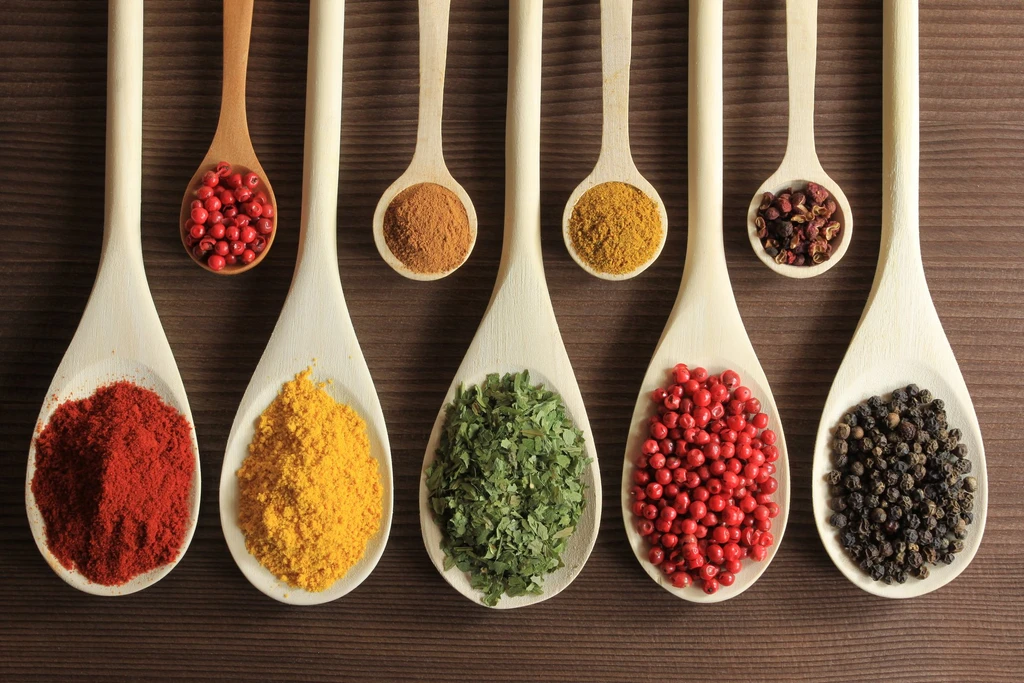
The dietary supplement market is a multibillion-dollar industry, often featuring common kitchen ingredients. While therapeutic doses in studies often exceed culinary use, incorporating herbs and spices into your diet offers supportive benefits without a premium price.
Always consult your physician before significantly increasing intake if you are on medication.
Cinnamon: Supports metabolic health, potentially improving insulin sensitivity and glucose transport. Moderate amounts can be added to meals.
Turmeric: Contains curcumin, a polyphenol that targets inflammation. Pairing with black pepper increases its bioavailability.
Garlic: Aids cardiovascular health, helping relax blood vessels and modestly lower blood pressure. Cooked garlic remains beneficial.
Ginger: Eases gastrointestinal distress, accelerating stomach emptying and calming spasms. It also shows promise in managing inflammation.
Peppermint: Acts as a natural antispasmodic for the GI tract, effectively reducing abdominal pain and bloating.
Sage: Investigated for memory enhancement by supporting acetylcholine levels. Current evidence is preliminary but suggests modest cognitive improvement.
Rosemary: Contains compounds that protect cells from oxidative damage. Aromatherapy studies suggest improved cognitive speed and accuracy.
Cayenne: Capsaicin, its active compound, is used topically for pain relief. Internally, moderate consumption may gently increase metabolism.
Fenugreek: Slows carbohydrate digestion and absorption, potentially improving blood glucose control when consumed with meals.
Cardamom: Rich in phytochemicals, it is being explored for its potential to suppress inflammatory markers and its antioxidant properties.
While scientific studies often use higher concentrations, adding these whole foods and spices to your daily meals is a safe, practical, and affordable way to support your overall health.