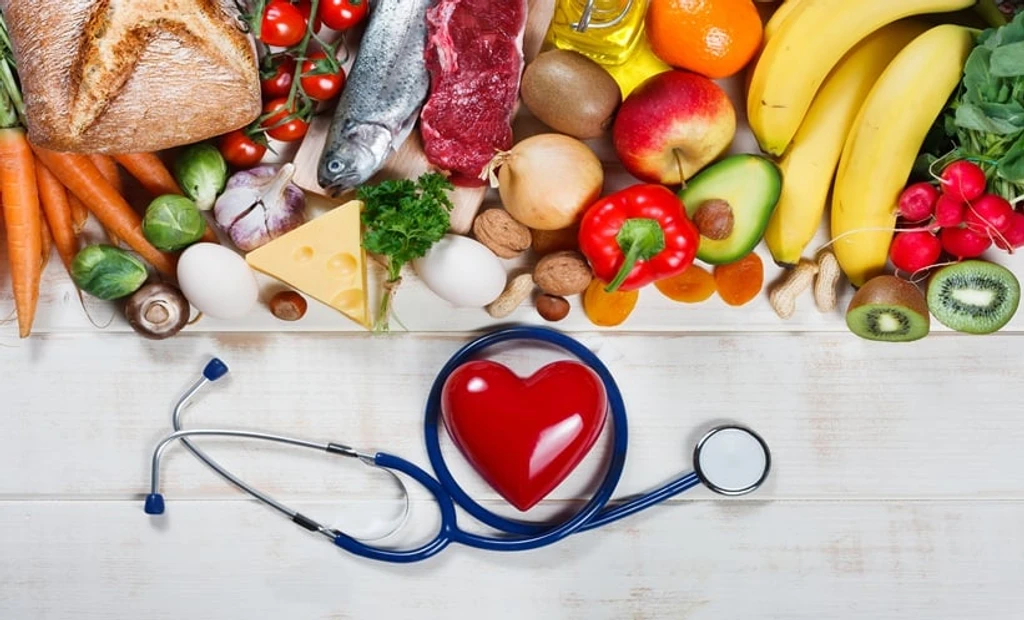
Suboptimal diet continues to be a primary driver of global ischaemic heart disease (IHD), responsible for millions of deaths annually. The Global Burden of Disease 2023 analysis indicates dietary risks accounted for approximately 4.06 million IHD deaths and 96.84 million disability-adjusted life years (DALYs) in 2023. Despite a significant drop in the age-standardised death rate since 1990, the overall number of deaths remains substantial, particularly in less affluent regions.
IHD, characterized by reduced blood flow to the heart, is a leading cause of global mortality. Diet is identified as its most significant modifiable risk factor.
The comprehensive study, covering 204 countries, highlighted low consumption of nuts and seeds as the leading dietary risk. Insufficient intake of whole grains and fruits, coupled with high sodium consumption, also significantly contributed to the disease burden. These patterns were directly linked to increased mortality rates.
Disparities persist, with low- and middle-sociodemographic index countries bearing a disproportionately higher burden, likely due to limited access to nutrient-rich foods and greater reliance on processed diets.
While population growth and ageing have offset declines in age-standardised death rates, targeted interventions focused on diet quality show promise. Global nutrition policies emphasizing increased access to whole grains, fruits, nuts, and seeds, alongside reduced sodium intake, are crucial for mitigating the worldwide burden of IHD. These findings offer a clear strategy for reducing cardiovascular mortality through scalable, diet-focused public health initiatives.