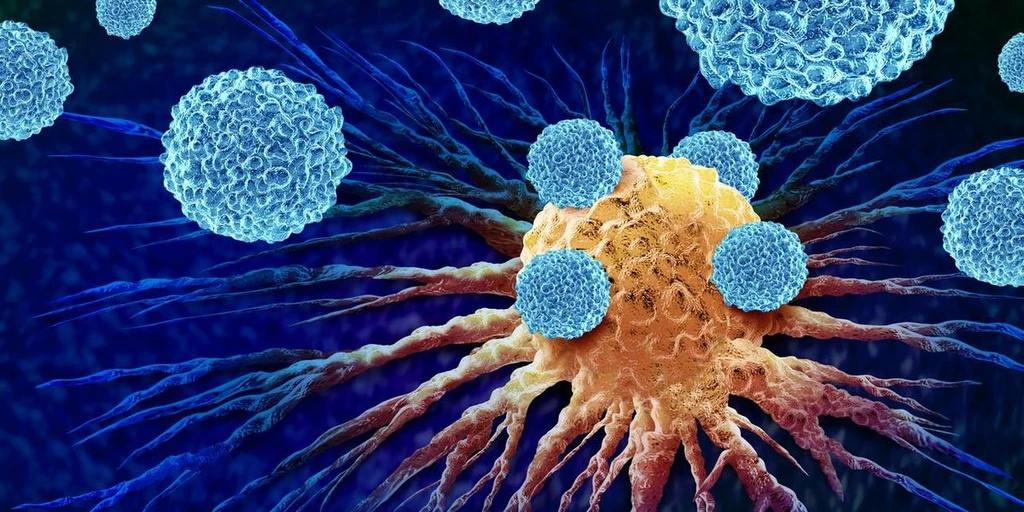
Urothelial bladder cancer is the sixth most common cancer in the United States, with approximately 85,000 diagnoses each year. Advancements in immunotherapy are driving more effective treatments.
Immunotherapy uses the body's immune system to attack cancer cells. The FDA first approved immunotherapy for urothelial bladder cancer in 1990, with several more approvals following.
The immune system recognizes and attacks cancer cells using their antigens as flags. Several key immune cells work together: B lymphocytes secrete antibodies, CD4+ helper T-cells signal where to attack, CD8+ cytotoxic T-cells destroy infected cells, dendritic cells and macrophages analyze harmful cells, and regulatory T-cells prevent overreaction.
Immunotherapy works by either boosting the immune system's ability to find and fight cancer cells, or by using lab-made components to enhance that capability.
For bladder cancer, several immunotherapy types are available:
Immune checkpoint inhibitors target PD-L1 or PD-1 proteins, which cancer cells use to stop immune attacks. Blocking these proteins allows the immune system to shrink tumors.
Intravesical therapies are liquid treatments inserted directly into the bladder for less invasive, early-stage cancers. These include Bacille Calmette-Guérin (BCG), Nadofaragén firadenovec (Adstiladrin), and Nogapendekina alfa inbakicepto (Anktiva). All activate the immune system against cancer cells.
Antibody-drug conjugates are artificial antibodies linked to chemotherapy drugs, directing the drugs precisely to cancer cells for more efficient treatment.
Combination therapy is possible. Depending on tumor type and cancer stage, multiple immunotherapy drugs can be combined, or immunotherapy can be used alongside traditional treatments like radiation, surgery, or chemotherapy.