
New research has uncovered a surprising defense mechanism employed by brain immune cells to combat the spread of the parasite Toxoplasma gondii. The study shows that infected T cells, a critical component of the body's defense system, can initiate programmed cell death to eliminate the dangerous microbes they carry.

Researchers at the University of Virginia observed that these T cells, when infected with T. gondii, mark themselves for self-destruction. The parasite, which can infect neurons, may exploit T cells as a Trojan horse to spread further within the body. The infected immune cells' drastic action of dying effectively halts the parasite's replication.
"The host cell dying is game over for the parasite," stated neuroscientist Tajie Harris. "Toxoplasma parasites need to live inside cells, so the host cell dying is game over for the parasite."
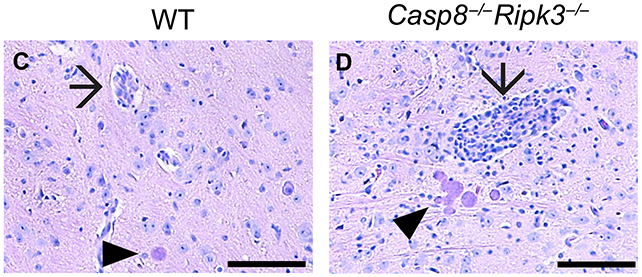
The study identified a key enzyme, caspase-8, crucial for this self-destruction process in CD8+ T cells. Experiments with mice engineered without caspase-8 demonstrated a significantly wider spread of T. gondii infections to the brain, highlighting the enzyme's vital role in preventing parasitic proliferation.
This discovery offers a deeper understanding of how the immune system combats Toxoplasma infections, particularly in individuals with compromised immune systems. While the research was conducted on mice, it paves the way for improved treatments and broader insights into immune responses against pathogens that attempt to subvert cellular defenses.