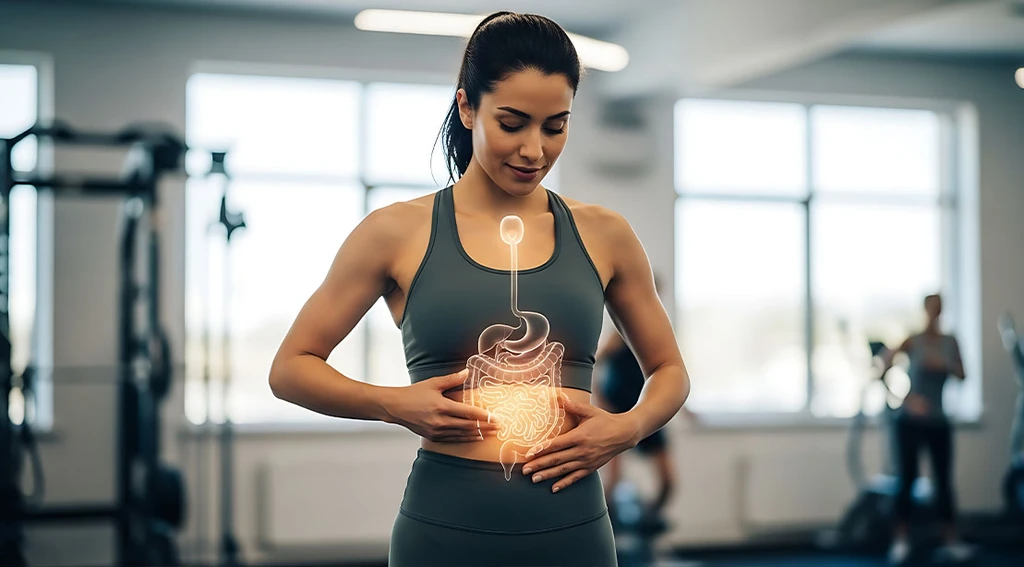
Intense workouts offer more than just muscle gains. A new study from Edith Cowan University in Australia indicates that hard training positively impacts gut bacteria, improving digestion and athletic performance. Athletes typically exhibit a different gut microbiota compared to the general population, with higher short-chain fatty acid concentrations and greater bacterial diversity.
The study involved 23 elite rowers undergoing two 3-day periods: one with 5 hours of training and another with over 7 hours, both including rowing, cycling, and cross-training. The higher training load correlated with significant improvements in gut health markers.
Key findings include increased short-chain fatty acids, crucial for colon health, metabolism, and reduced inflammation. The study also noted a better bacterial composition, enhancing nutrient breakdown. During lower intensity training phases, athletes consumed more processed foods and alcohol, negatively impacting their gut microbiome.
Scientists theorize that intense workouts may enhance the gut's ability to process lactate and balance pH levels, directly contributing to improved athletic performance and recovery. While a specific workout duration wasn't determined, increasing training intensity and avoiding processed foods can lead to substantial gut health benefits.