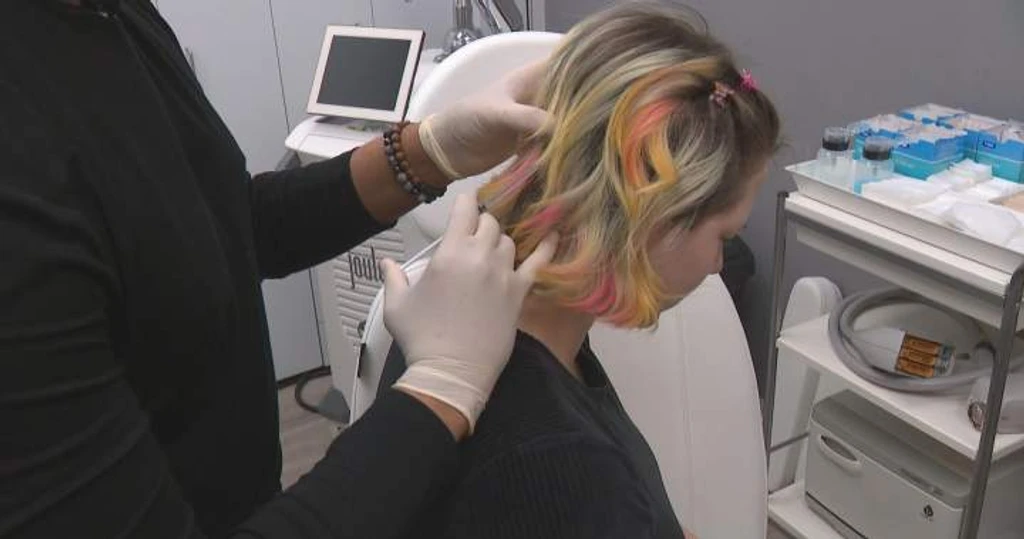
For University of Alberta student Kearyn Hall, migraines can be debilitating.
“I’m completely incapacitated when I get a migraine,” she said, describing up to 20 attacks per month. Hall experiences migraines with aura, including tunnel vision.
Drastic temperature and weather changes in Alberta have increased her symptoms and severity. She is one of roughly five million Canadians, or 14 percent of the population, who suffer from migraines.
At WestEd Medical & Esthetic Clinic in Edmonton, physician Dr. Neeraj Bector treats migraine patients. He emphasizes that migraines are far more than “just headaches,” describing them as a “hypersensitivity syndrome” where every stimulus in the body is ramped up.
Doctors caution that weather is often one trigger among many, not the sole cause. Hormone changes, lack of food and hydration, and stress also have major impacts.
Migraines are one of the leading causes of disability worldwide but are often dismissed, leading many sufferers to delay treatment.
“This is one of the biggest causes of absenteeism from work,” Bector said.
He encourages people to keep a diary of triggers and to seek care, rather than just trying to sleep it off.
Research released in 2025 recommended occipital nerve blocks be offered in emergency rooms to treat acute migraine attacks. The use of intravenous Prochlorperazine is also recommended but is not readily available.

For Hall, her symptoms have meant a lot of missed school. She’s trying a Botox treatment for the first time. A major clinical trial published in 2010 found chronic migraine patients treated with Botox experienced fewer headaches with little to no side effects.
While it can take weeks to kick in, Hall is hopeful it can help her long-term.

Treatments like Botox aren’t an option for everyone-they often require specialist referrals and insurance approvals, and the cost can be prohibitive.
Dr. Madison Young specializes in migraine treatment at My Migraine Clinic in Calgary, known as the migraine capital of Canada due to drastic weather changes from Chinook winds.
From her experience, migraines disproportionately affect people in their 30s, 40s, and 50s and women more than men.
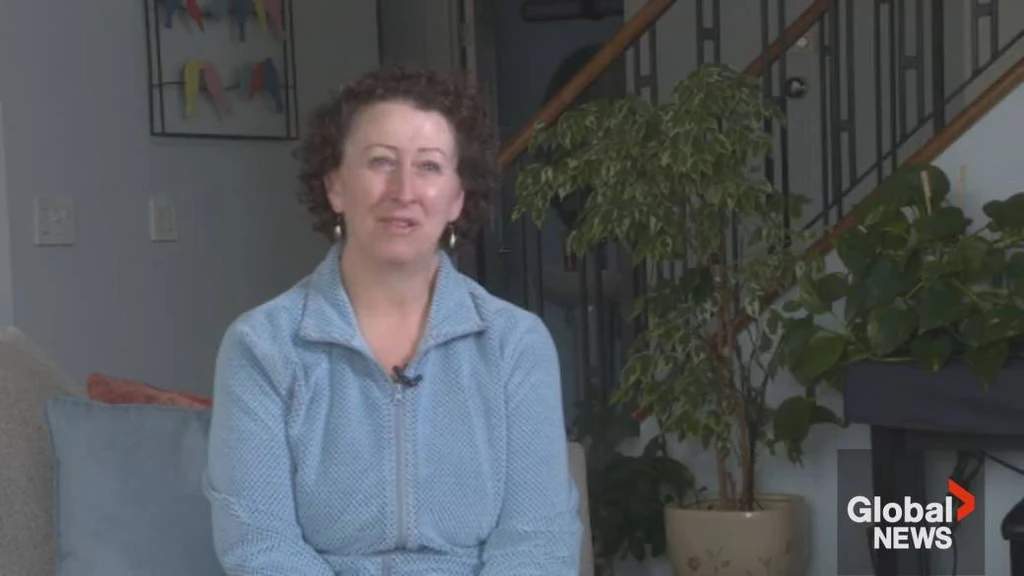
Young said there is limited support for the medications she can prescribe that are covered by the government.
A spokesperson for Alberta Minister of Primary and Preventative Health Services Adriana LaGrange stated that Alberta covers migraine treatments recommended through a national expert review process, including oral triptans, medical Botox, and other inhibitors through special authorization.
Patient advocates say access can still be challenging, particularly for newer treatments or those without private insurance.
For those living with migraine, doctors and advocates say recognizing the condition and seeking care early can make a life-changing difference.