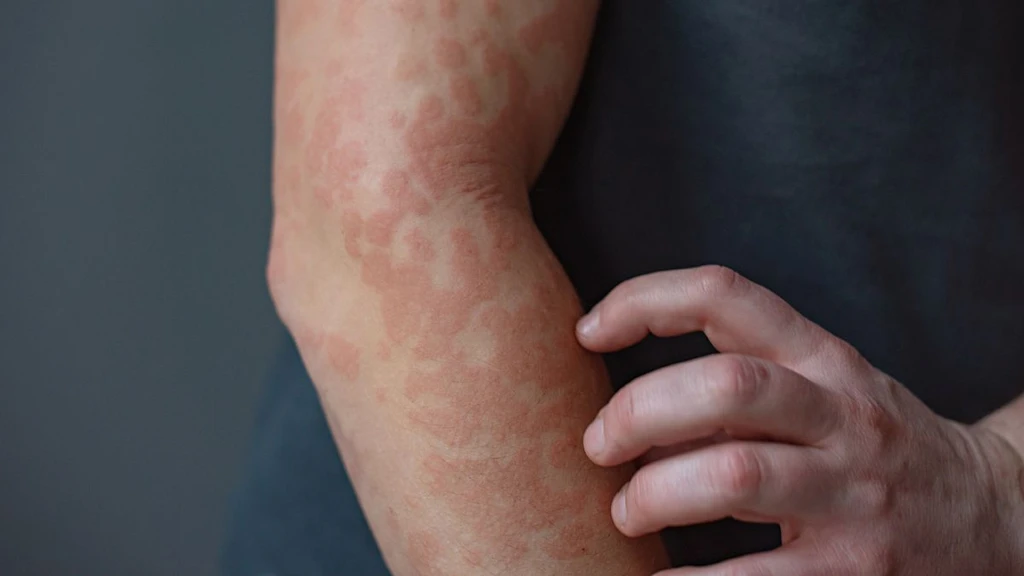
New research suggests keratin, a protein crucial for skin, hair, and nails, may act as a 'brake' on skin inflammation. Mutated keratin proteins can disrupt the immune system, contributing to diseases such as psoriasis and eczema.
Scientists identified a mutant keratin protein that interferes with the skin cells' ability to manage inflammation, potentially explaining the onset of these conditions. Specifically, keratin 16, which is vital for skin cells in high-friction areas to resist mechanical stress, was found to be implicated. When this gene is mutated or absent, skin inflammation increases significantly.
Researchers found that keratin 16 normally inhibits signals that recruit the immune system, including type I interferons, which help control inflammation. In individuals with inflammatory skin diseases and in mice with mutated or absent keratin 16, these interferon signals were more active, leading to increased inflammation. Conversely, the presence of keratin 16 modulated interferon activity and reduced inflammation.
This discovery fundamentally changes the understanding of the skin's defense system and the role of keratins. The study authors are optimistic that targeting type I interferon signaling could lead to new therapeutic approaches for conditions like pachyonychia congenita, psoriasis, and eczema. An inhibitor of type I interferons has already shown promise in clearing skin lesions in a mouse model.