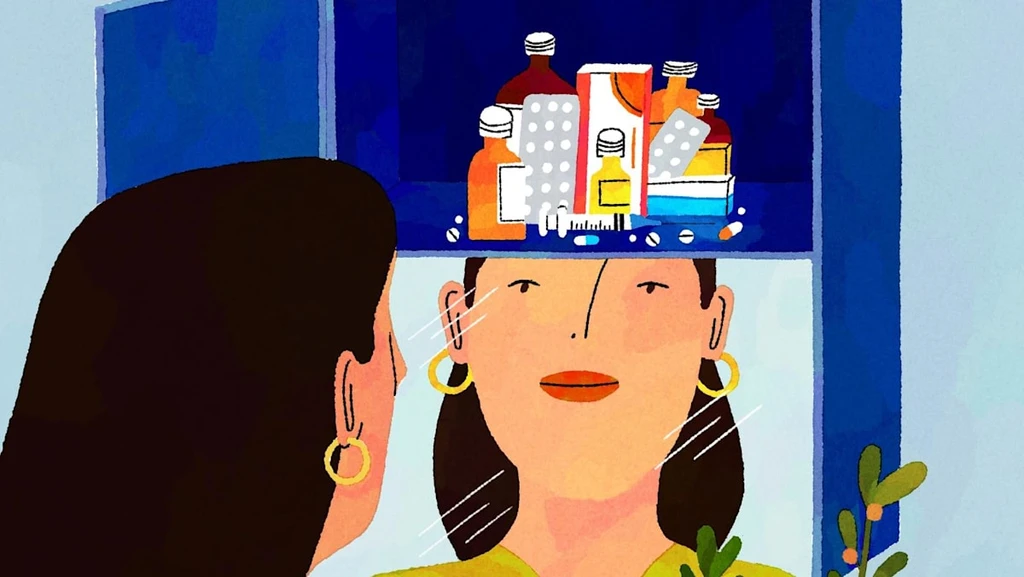
Getting your annual flu shot may come with a significant side benefit: helping to protect you from dementia. Studies show older adults who received the flu vaccine had a lower risk of developing dementia, with some research indicating a 40% reduction. A new study published last month found that a higher-dose flu vaccine, commonly recommended for those 65 and over, was linked to an even lower probability of Alzheimer's disease.
Researchers caution that correlation doesn't equal causation: People who get vaccinated tend to see doctors regularly and follow other health advice. But because everyone in the study got a flu vaccine, and the higher dose offered more protection, the findings suggest the vaccine itself plays a role.
Shingles Vaccine
The shingles vaccine has some of the strongest evidence. Studies from around the world show recipients had a 15-20% lower risk of developing dementia. The newer version, Shingrix, may offer even greater benefits. Researchers call the body of evidence "compelling" for a cause-and-effect relationship.
Cholesterol and Blood Pressure Medications
Statins and hypertension drugs are associated with a roughly 10-15% reduced risk of dementia. Managing blood pressure and cholesterol are known risk factors for dementia. However, clinical trial results have been mixed.
Anti-Inflammatory Drugs
Since brain inflammation is a known contributor to Alzheimer's, anti-inflammatory medications could theoretically reduce risk. But studies on ibuprofen and other NSAIDs have been mixed, with some showing no connection or even increased risk.
Diabetes Drugs
Metformin and SGLT2 inhibitors for Type 2 diabetes appear to modestly lower dementia risk. GLP-1 medications like Ozempic showed early promise, with some observational studies finding up to a 45% reduced risk of Alzheimer's. However, recent clinical trials testing Ozempic for Alzheimer's found no benefit, dampening excitement.