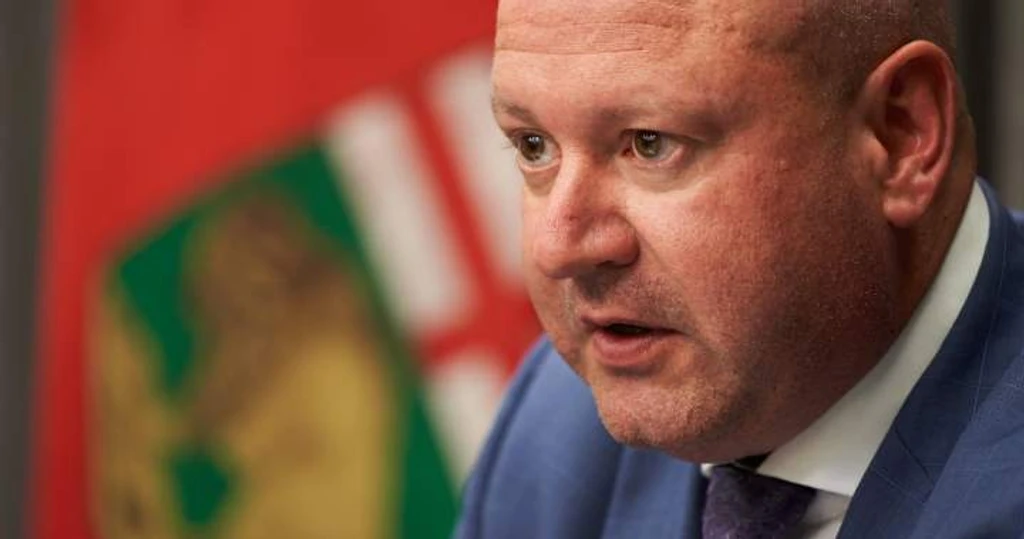
Manitoba declared a public health emergency Thursday after a sharp rise in HIV transmissions, Chief Provincial Public Health Officer Dr. Brent Roussin announced.
An estimated 120 cases were reported in the first quarter of 2026 alone, though Roussin cautioned the number may include duplicates from repeated testing. In 2025, 328 new cases were reported, compared to 142 in 2021-a 130% increase.
One infant was born with HIV last year-a perinatal case. Cases are concentrated in Manitoba’s Northern and Prairie Mountain health regions, but Winnipeg has the highest total due to its population size.
“This is significant. It’s concerning, and it requires co-ordinated action across governments, communities and health systems,” Roussin said.
The emergency declaration unlocks access to non-traditional testing methods, including self-testing, and expands standard blood draw availability. Injection drug use and unprotected heterosexual sex are the leading transmission routes, according to the province.
Roussin emphasized that HIV is preventable and treatable, with condoms, harm reduction services, and pre- and post-exposure medications covered for eligible Manitobans. “When an individual living with HIV takes their medication regularly, the level of virus in their blood becomes undetectable-and then it can’t be transmitted.”
Uniquely, more than half of Manitoba’s cases are in women, versus 32% nationally, with most cases in women under 40.