While microplastics are pervasive and have been found in human organs, the extent to which dental products contribute to exposure remains unclear. Researchers speculate potential health impacts, including disrupting oral microbial balance and DNA damage. However, experts emphasize that brushing and flossing are crucial for oral health. They advise focusing on more established sources of microplastics like household dust and synthetic fabrics, while offering practical tips to minimize exposure from dental items.
Dental products like toothbrushes and floss are often made from plastic, with nylon bristles and plastic threads. Friction during use can release microplastic fragments. Toothpaste and mouthwash packaging also pose a risk, as microplastics can leach from plastic tubes and bottles. While microbeads were banned in toothpaste in 2015, concerns about microplastic shedding persist.
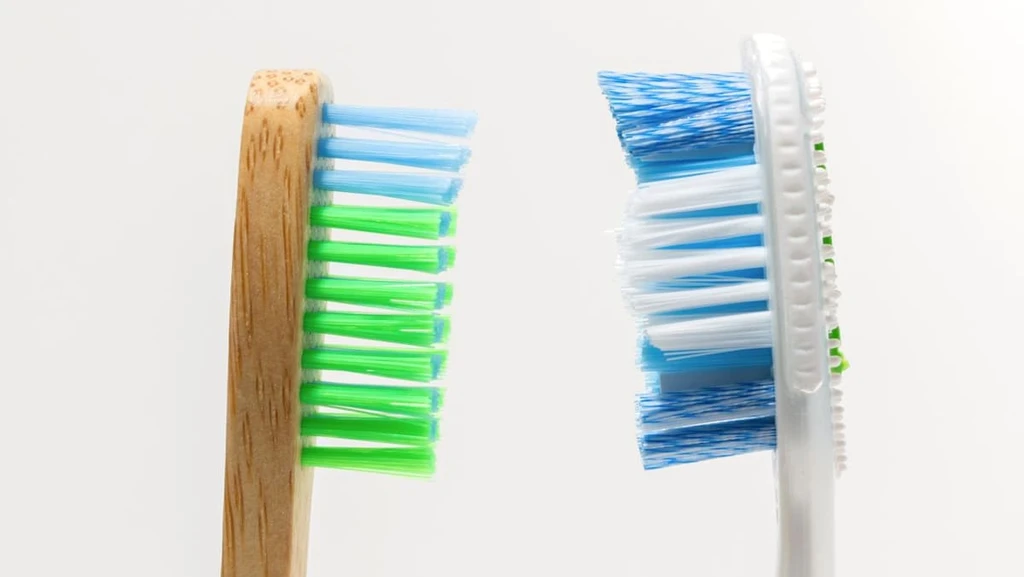
Experts note that it's unconfirmed how much microplastics actually enter the body from dental products, as most may be expelled. Non-plastic alternatives exist, such as bamboo toothbrushes and silk floss, but their effectiveness and user experience vary. Dissolvable tablets or aluminum packaging for toothpaste and mouthwash may reduce exposure, but often come at a higher cost.
To mitigate potential exposure, dentists recommend brushing and flossing gently to avoid gum damage and microplastic shedding. Replacing toothbrushes every three to four months, or sooner if bristles fray, is advised. Keeping dental products away from direct sunlight and high heat can slow plastic degradation. Finally, spitting out toothpaste and rinsing lightly with water after brushing may help remove residual particles.
Ultimately, the benefits of maintaining good oral hygiene outweigh the currently unknown risks associated with microplastics from dental products. Experts urge a focus on risk management rather than panic.