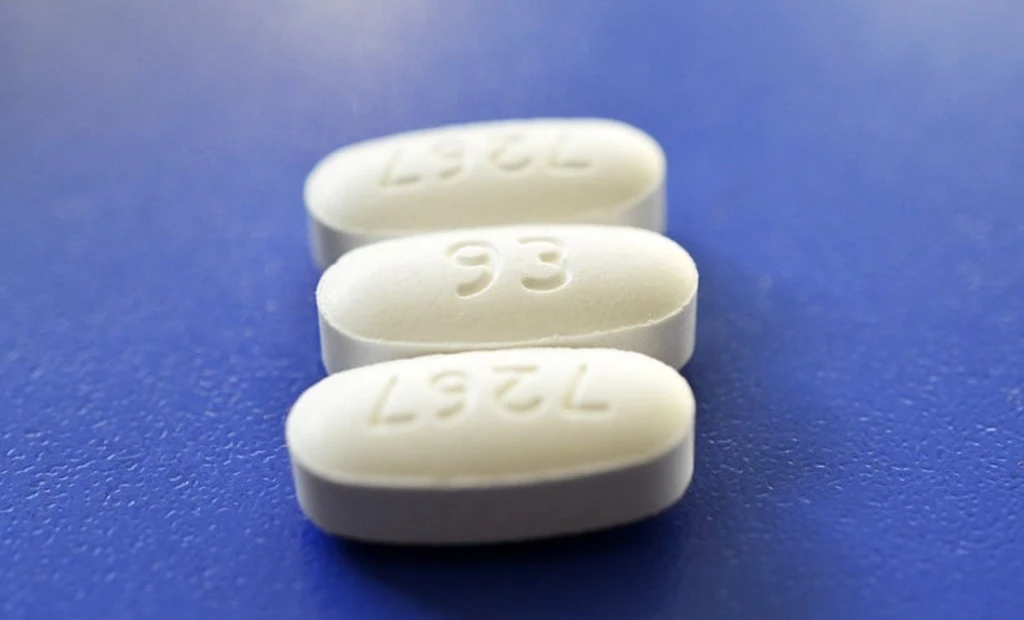
A recent Nordic population-based study indicates that Metformin, a widely used diabetes medication, is associated with a 36% reduction in the odds of developing oesophageal squamous cell carcinoma (OSCC). The preventative effect was more pronounced in individuals prescribed higher doses of the drug.

Researchers analyzed data from over 13,000 OSCC patients across Denmark, Finland, Iceland, Norway, and Sweden, comparing them with a larger control group. The findings suggest Metformin's protective role is not linked to diabetes itself, but rather to its activation of AMP-activated protein kinase and inhibition of the mTOR pathway. These mechanisms are understood to suppress cell growth, promote cell death, and regulate autophagy.
Given Metformin's established safety profile, affordability, and widespread availability, researchers are exploring its potential use in OSCC prevention, particularly for high-risk populations. Further studies are also proposed to investigate whether Metformin could improve survival rates when used as an adjunct therapy after OSCC treatment.