Malaria claimed approximately 610,000 lives globally in 2024, with Africa bearing the brunt of the mortality, particularly among young children. Researchers have now identified a critical vulnerability in the parasites responsible for the disease. This discovery offers insights into the parasites' complex biology and potential new strategies for combating them.
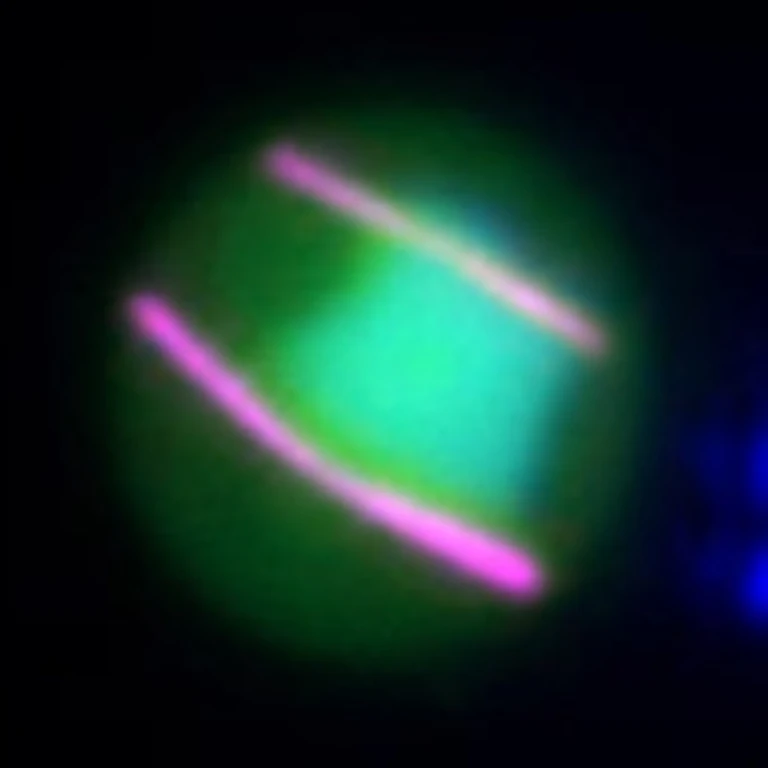
The study highlights the Plasmodium parasite's unique cell division process, which differs significantly from human cells. A key protein, Aurora-related kinase 1 (ARK1), plays a vital role in organizing the parasite's spindle apparatus necessary for replicating its genetic material. Without ARK1, the parasites fail to form effective spindles and cannot replicate, preventing them from developing in host cells or mosquitoes.
Scientists believe ARK1's fundamental differences from similar proteins in human cells make it an attractive target for new antimalarial drugs. This divergence could allow for the development of treatments that specifically neutralize the malaria parasite with minimal harm to patients, potentially heralding a new era in malaria control.