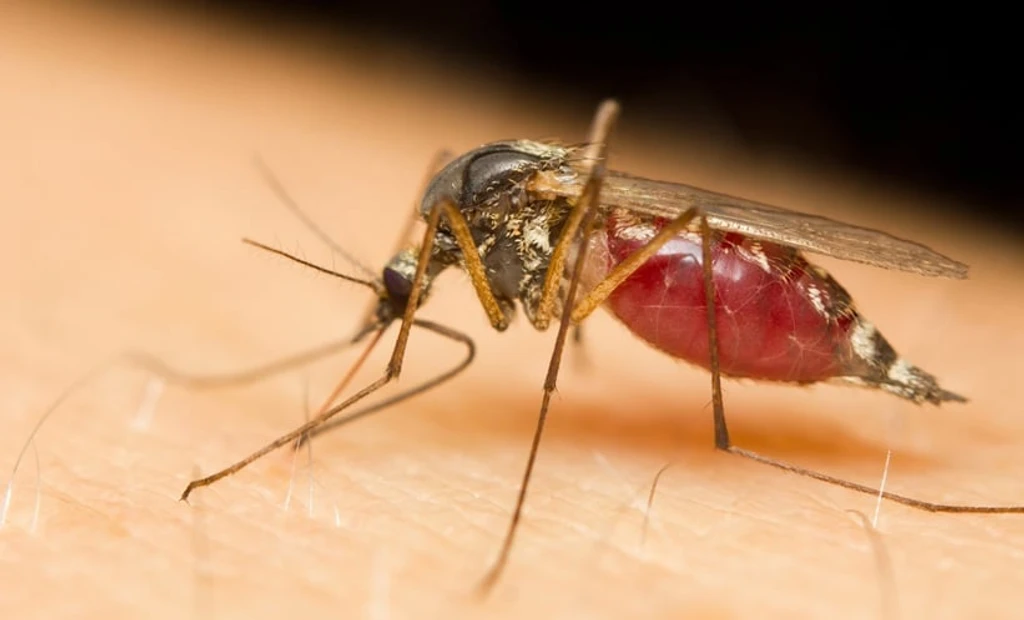
Scientists have identified a protein, Aurora-related kinase 1 (ARK1), that is essential for the survival and transmission of the malaria parasite. This specialized protein is critical for the parasite's ability to move between hosts. Malaria, caused by Plasmodium parasites and transmitted by mosquitoes, remains a significant global health threat, particularly impacting children and pregnant women.

ARK1 acts as a central organizer for the parasite's cell division process, specifically in forming the spindle that separates genetic material. Researchers found that inhibiting ARK1 prevents the formation of proper cellular structures, halting parasite development. This disruption prevents the parasites from completing their life cycle within human hosts or mosquitoes, thereby blocking disease transmission. The discovery of ARK1's vital role positions it as a promising target for future antimalarial drug development.