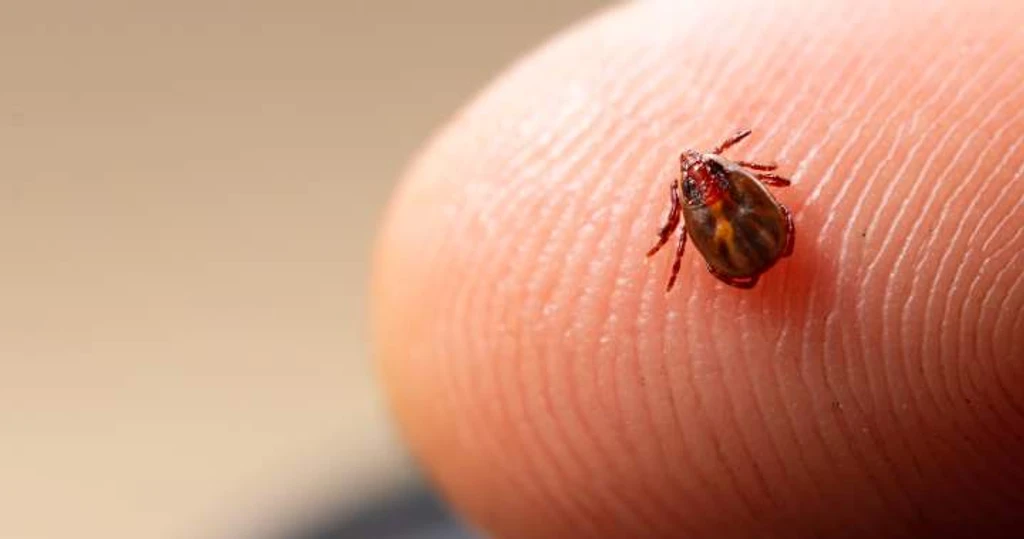
New Brunswick has launched a digital surveillance tool to map black-legged tick prevalence across the province. The interactive tracker categorizes risk by health zone and updates monthly, currently identifying southern regions as high-risk areas for Lyme disease transmission.
Chief Medical Officer of Health Dr. Yves Léger stated the initiative aims to raise public awareness as warmer weather increases exposure risks. This deployment coincides with alarming epidemiological data. Reported Lyme disease cases in Canada surged from 917 in 2015 to over 5,200 preliminary cases in 2024, according to the Public Health Agency of Canada.

Experts attribute this sharp rise to warmer winters allowing disease-carrying ticks to survive farther north. New Brunswick recorded 446 black-legged tick exposures in May alone, significantly above the three-year average of 174. Healthcare professionals treated 1,747 suspected high-risk bites in the last year.

Health officials emphasize that ticks typically require 24 hours of attachment to transmit Lyme bacteria. Residents developing rashes, fever, or fatigue after outdoor exposure are urged to seek immediate medical evaluation.