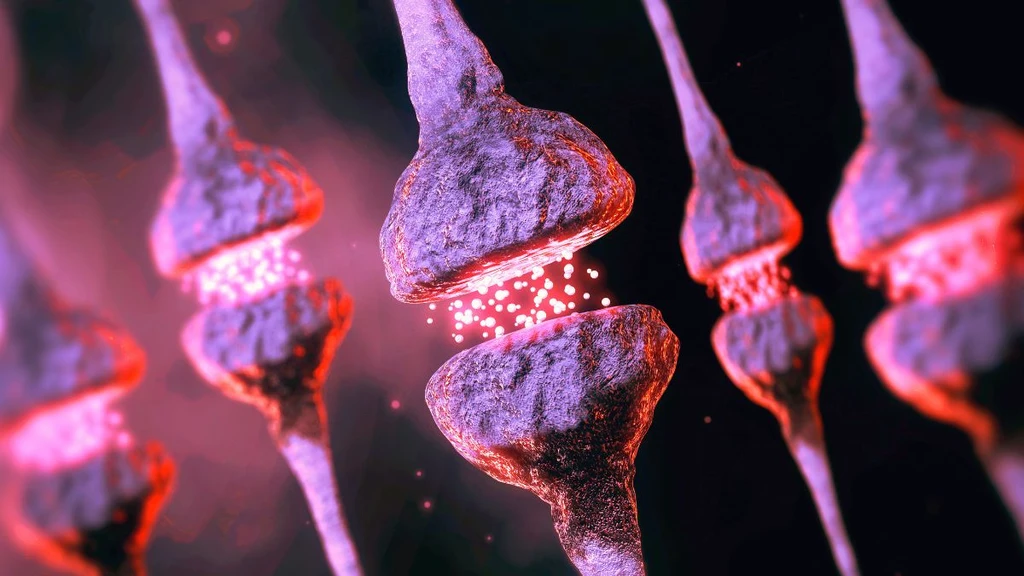
New research indicates the brain's protein recycling system falters with age. Long-lived neurons offload clumpy, old proteins onto other brain cells, particularly those involved in signaling at synapses, the gaps between neurons.
These accumulated proteins hinder synapse function. Support cells called microglia attempt to clean up these clogged synapses. However, researchers surmise this clean-up effort may ultimately impair brain cell communication and contribute to age-related cognitive decline and neurodegenerative diseases like Alzheimer's.
Studies in mice showed that by 24 months old, brain cells were significantly less efficient at recycling proteins compared to younger counterparts. Neurons in older mice took twice as long to recycle proteins, leading to accumulation.
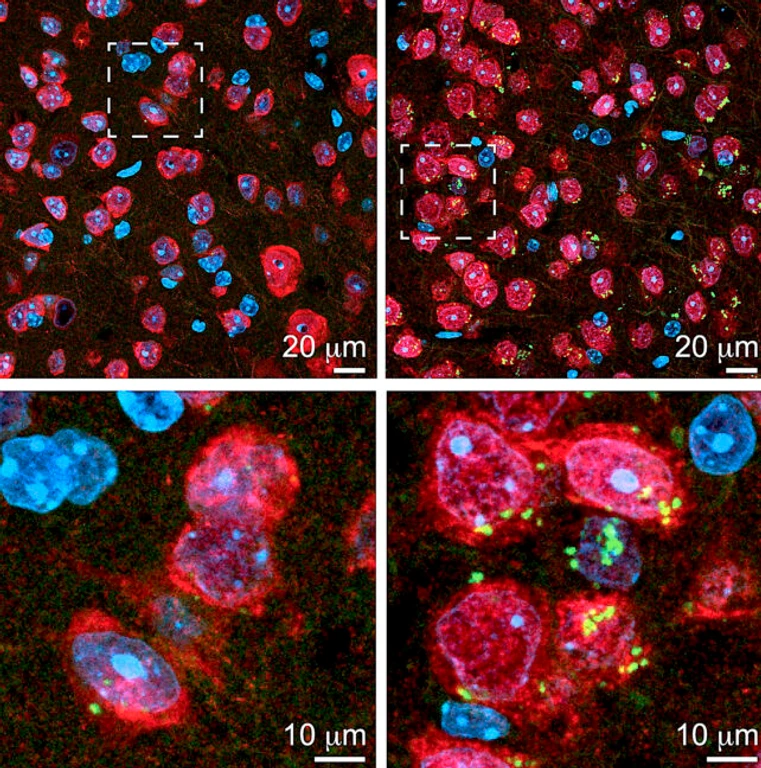
Researchers observed neurons offloading these protein clumps into microglia, the brain's immune and waste-disposal cells. Overwhelming microglia with damaged proteins could lead to their dysfunction, detrimentally affecting brain health. This mechanism connects synaptic loss and microglial dysfunction, potentially playing a role in neurodegenerative diseases.