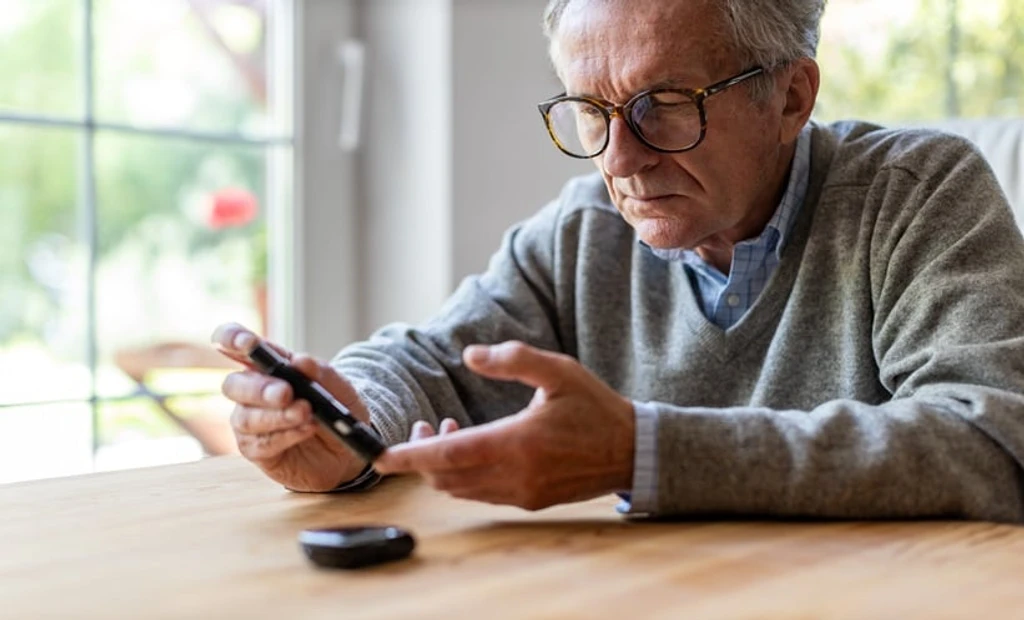
A major study of 1.8 million patients reveals that older adults with type 2 diabetes experience different safety outcomes based on their second-line antihyperglycemic agents. Limited comparative safety data for newer glucose-lowering therapies in this vulnerable population, aged 65 and over, has been a concern.
The multinational study, covering the USA and Europe, compared 18 safety outcomes across four major classes of second-line drugs. Researchers found that GLP-1 receptor agonists and SGLT2 inhibitors were associated with significantly lower risks of hypoglycemia and hyperkalemia compared to sulfonylureas. Hypoglycemia can lead to falls and hospitalizations in seniors.
GLP-1 agonists also showed a lower risk of peripheral edema than DPP-4 inhibitors. However, SGLT2 inhibitors were linked to a higher risk of diabetic ketoacidosis, a potentially life-threatening condition. These findings emphasize the need to tailor diabetes medications based on both efficacy and safety, especially for older patients with multiple health issues.