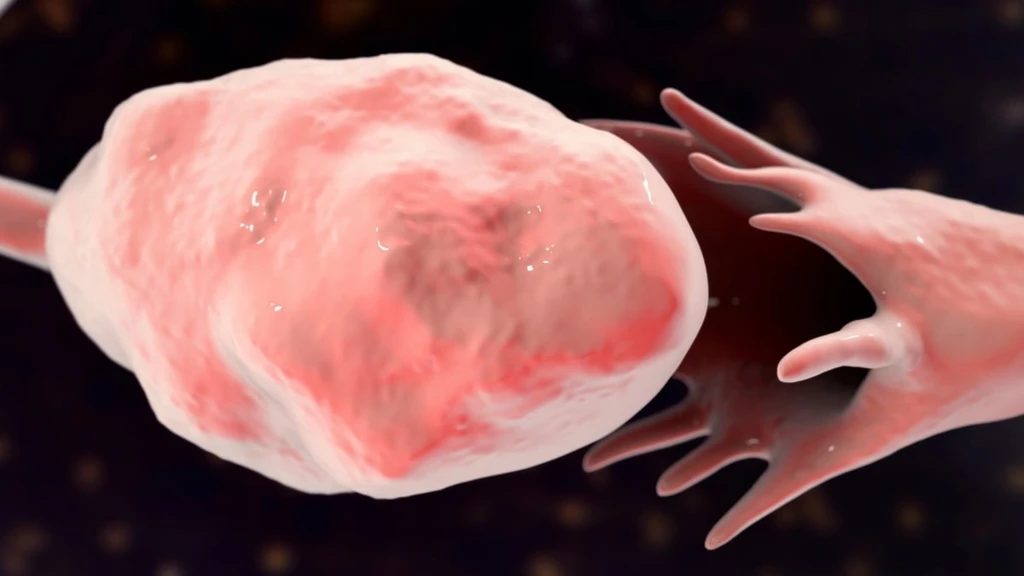
A new study reveals the ovary shows significant signs of aging years before menopause, challenging the view that reproductive decline is solely about egg depletion.
The research, published in Nature Aging, was led by cardiovascular researcher Hattie Chung of the Broad Institute. Her team analyzed mouse ovaries across different ages.
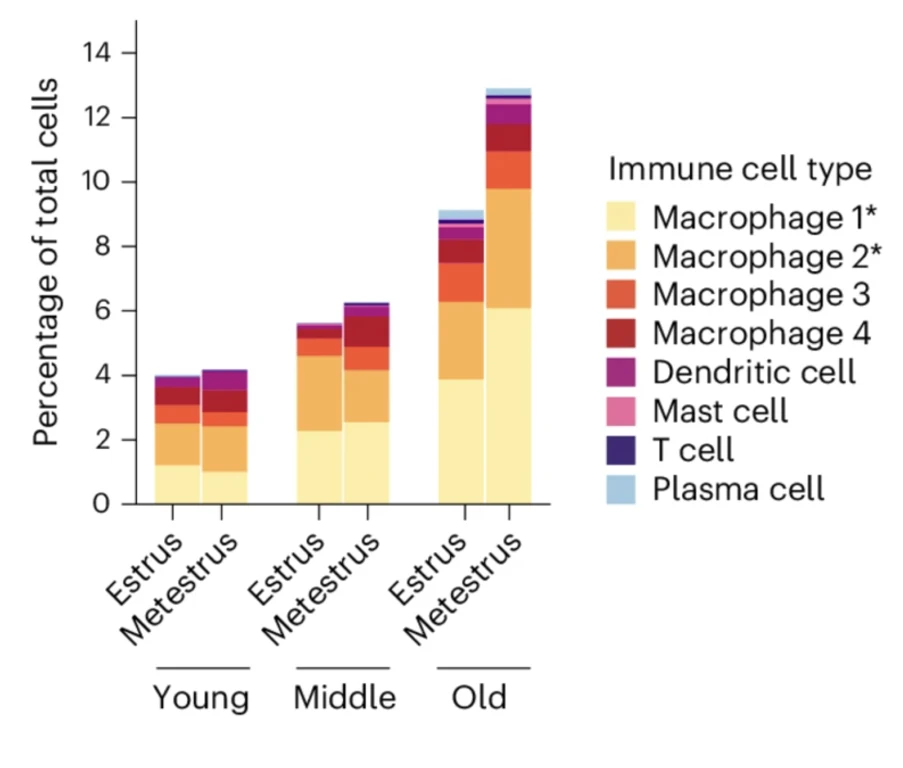
They found that as ovaries age, tissue coordination breaks down. Cells fall out of sync, leading to degeneration and increased inflammation. This occurs while a woman may still have around 1,000 eggs remaining.
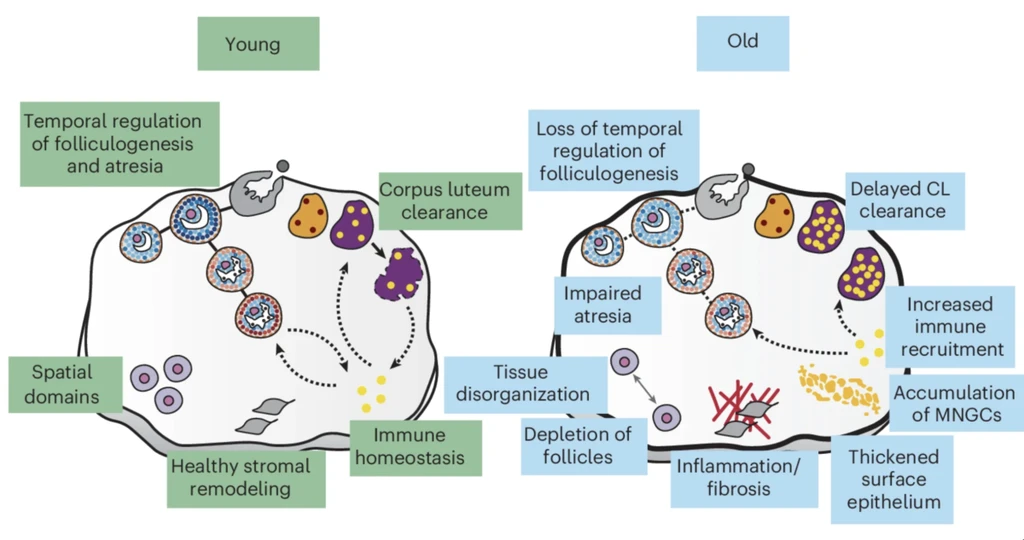
"Reproductive aging can be viewed as a progressive breakdown of tissue-level coordination," the authors write. The ovaries produce vital hormones like estrogen and progesterone, affecting the entire body.
The findings have implications for procedures like oophorectomy-the surgical removal of ovaries-used to treat conditions such as cancer or endometriosis.
Chung's team is now collaborating with Yale researchers to study human ovarian samples to confirm these patterns.
"Understanding how the ovary's complex cellular ecosystem changes with age may provide insights into women's health far beyond fertility alone," Chung says.