
Getting older might seem gradual, but new research from Stanford University suggests otherwise. A 2024 study published in Nature Aging reveals that humans experience two sudden aging spurts: one at age 44 and another at age 60.
Geneticist Michael Snyder led the team, tracking 108 adults over several years. They analyzed over 135,000 biological features, from RNA and proteins to gut bacteria. The findings show that around 81% of these molecules undergo dramatic change during these two periods.
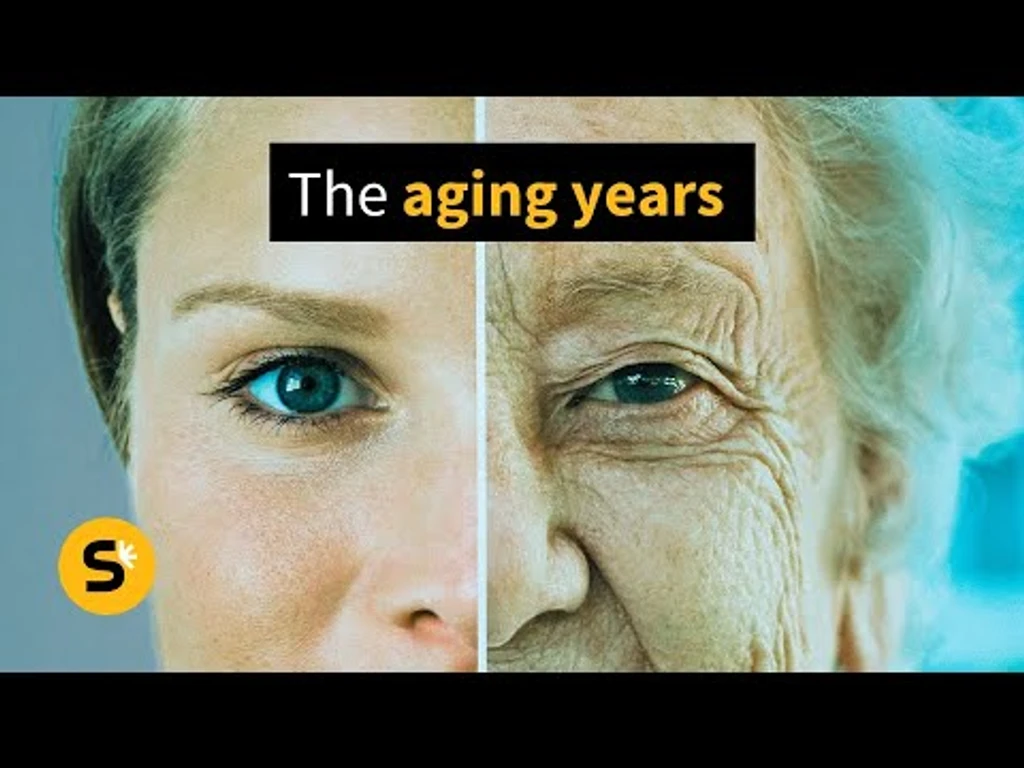
"We're not just changing gradually over time; there are some really dramatic changes," Snyder explained. The mid-40s peak showed shifts in lipid, caffeine, and alcohol metabolism, alongside increased cardiovascular disease risk. The early 60s peak impacted carbohydrate metabolism, immune regulation, and kidney function.

While the mid-40s change coincides with menopause in women, researchers found the same molecular shifts in men of the same age, ruling out menopause as the primary cause. The study's lead author, Xiaotao Shen, emphasized that identifying these underlying factors should be a priority for future research.