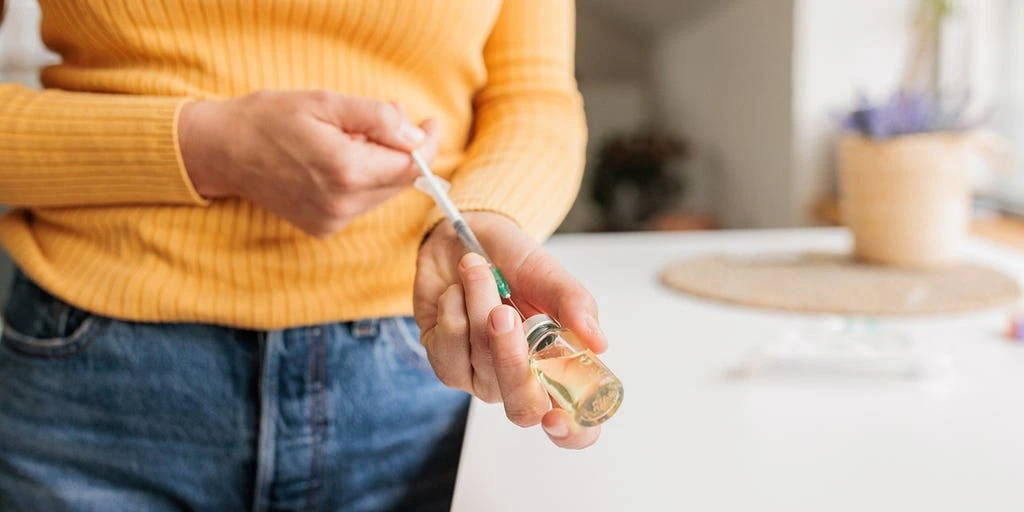
The peptide boom is under scrutiny as the FDA weighs easing restrictions on several drugs in this category.
Peptides, short chains of amino acids, have gained popularity among wellness influencers and fitness gurus for building muscle, healing injuries, and reversing aging. Unlike GLP-1 drugs like Ozempic, which were extensively studied for weight loss, many peptides lack comparable evidence and oversight, according to New York endocrinologist Dr. Philip Rabito.
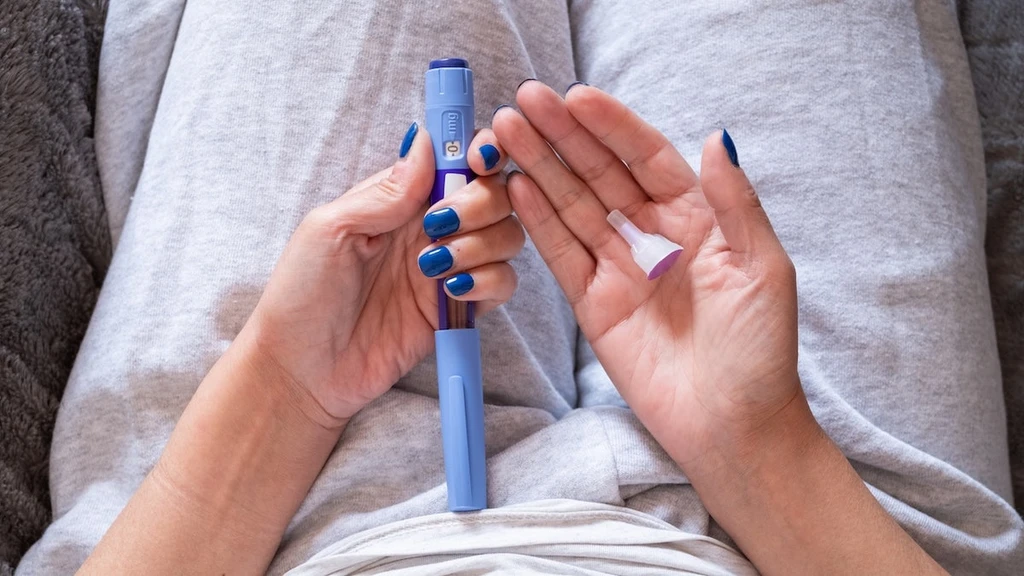
The market is widely described as a 'Wild West,' with various versions sold online without a prescription. Longevity expert Dr. Amanda Kahn told Fox News Digital that interest has grown significantly across the U.S. because peptides 'sit at the intersection of wellness optimization and medicine.'
Most patients spend a few hundred to thousands of dollars per month, with costs driven by custom formulations and strict quality standards.
Dos and Don'ts from Experts:
Do Use Peptides with a Purpose: Dr. Kahn recommends using them with a clear, clinical rationale, not just because they are trending. They should be part of a broader health plan, not a standalone solution.
Do Work with a Physician: Dr. Kent Bradley, chief medical officer at 10X Health, advises getting a baseline of biomarkers before starting any peptide regimen. Medical oversight is critical.
Do Find a Credible Source: Peptides should be purchased from reputable compounding pharmacies by prescription. Dr. Kahn warns that the current 'gray market' ecosystem is more dangerous than the molecules themselves.
Don't Self-Prescribe: Dose-response and drug interactions require a doctor's expertise. Products marketed as 'natural' can still cause harm.
Don't Stack Without a Plan: Combining multiple peptides without understanding their interactions is risky. Peptides should be cycled and re-assessed, not used indefinitely.
Don't Use as a Shortcut: The fundamentals of health-sleep, nutrition, and exercise-must be addressed first. Kenny Santucci, a fitness expert, notes that younger individuals whose bodies are already optimal likely do not need peptides.