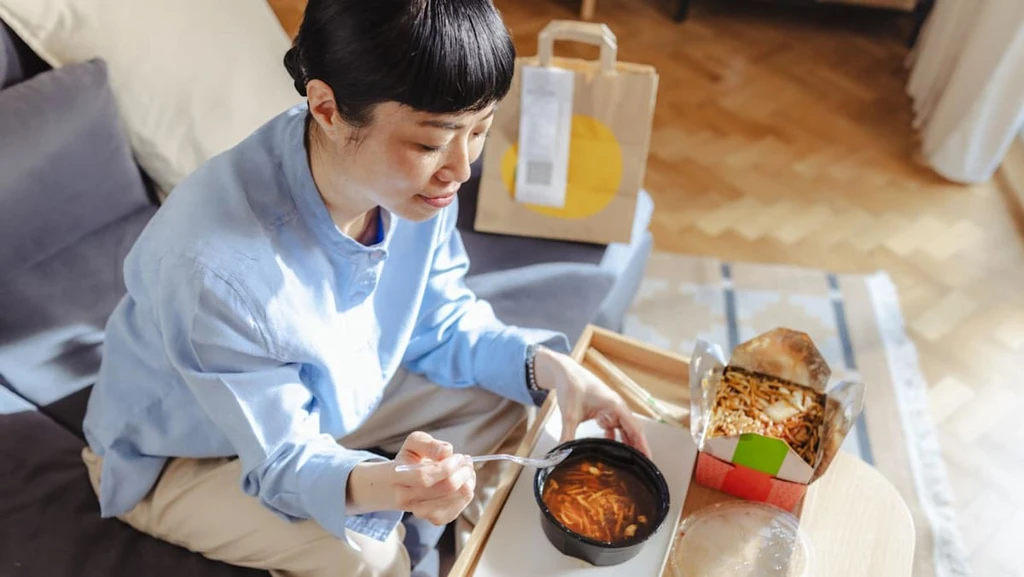
Chemicals added to everyday plastics-like bisphenol A (BPA), phthalates, and PFAS-can interfere with the body's hormones, especially when heated. These endocrine disrupting compounds (EDCs) are found in takeaway containers, cling wrap, pizza boxes, popcorn bags, and even thermal receipts.
"Heat increases the migration of EDCs out of plastics into food," explains Lee Joo Mong, senior embryologist at KK Women's and Children's Hospital (KKH). Fatty or oily foods act as solvents, making the problem worse.
In women, EDC exposure has been linked to polycystic ovary syndrome (PCOS), premature ovarian insufficiency, and poorer egg quality. Dr. Lisa Webber, senior consultant at Singapore General Hospital, notes the evidence is associative, not definitive.
A KKH-led Singapore study of 382 women found those with higher PFAS blood levels had 30 to 40 percent lower odds of pregnancy and live birth over one year.
Experts recommend switching to glass or ceramic containers for microwaving, avoiding disposable plastic utensils with hot food, choosing fragrance-free personal care products, vacuuming frequently, and declining paper receipts.
Professor Jerry Chan of KKH stresses: "The most sensible approach is to minimize exposure."