Sunny spring weather across Europe has brought elevated fine particle pollution to France, Germany, Belgium, Ireland, the Netherlands, and the United Kingdom. According to the Copernicus Observatory, this episode is notable for its multi-source origin-including agricultural emissions.
Andorra, Estonia, and Iceland are the only European nations meeting the WHO’s strict 2025 PM2.5 annual guideline of 5 µg/m³.
Fine particles pose real risks: lung irritation, allergy triggers, and worsening of asthma and cardiovascular disease.
Reduce exposure-indoors and out. Staying inside isn’t sufficient. Use HEPA air filters, avoid frying without ventilation, wood/coal burning, smoking, and scented cleaners. When commuting, choose low-traffic routes and off-peak hours.
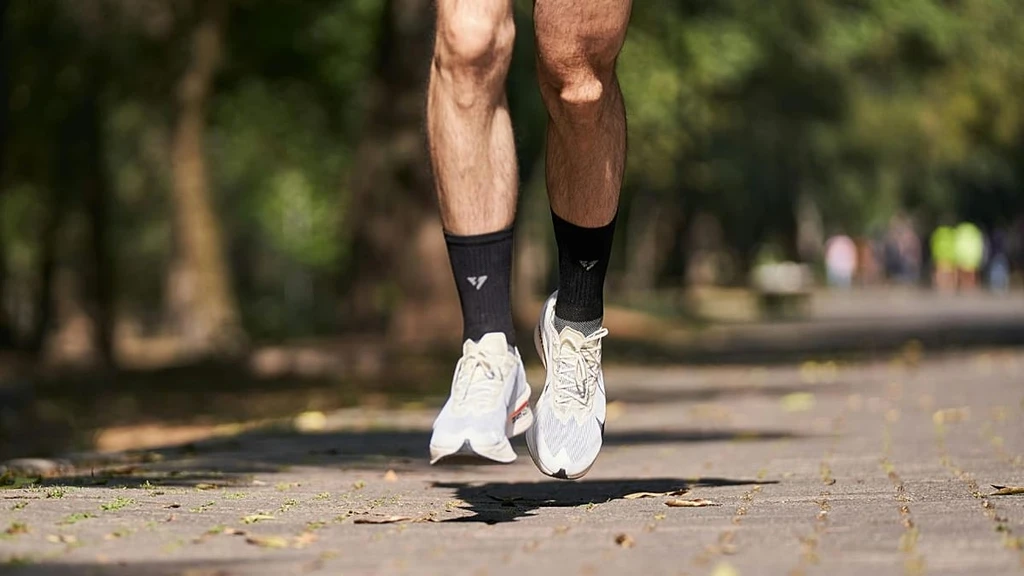
Exercise wisely. For healthy adults, benefits outweigh risks-but opt for early-morning green spaces or indoor workouts during peaks.
Eat antioxidant-rich foods: berries, citrus, leafy greens, nuts, and fatty fish. These help counter oxidative stress from pollution.
Shower and wash hair after outdoor exposure. Particles settle on skin and scalp; removal cuts cumulative dose.
Track real-time air quality. Apps like AirVisual and Plume Labs use Copernicus data to time activities for cleaner windows-e.g., post-rain or pre-rush hour.
During prolonged spikes, WHO recommends FFP2 respirators for unavoidable outdoor exposure-especially critical for outdoor workers and urban residents with limited mitigation options.