A groundbreaking study from China suggests that Parkinson's disease may be detectable through an analysis of human hair. Researchers compared hair samples from 60 Parkinson's patients with those of healthy individuals.
The findings revealed significant differences: Parkinson's patients exhibited lower levels of iron and copper, alongside higher concentrations of manganese and arsenic in their hair.
This discovery holds "high diagnostic potential for Parkinson's disease," according to the study's authors. Developing a reliable, non-invasive diagnostic tool for Parkinson's has been a long-standing challenge. While blood-based biomarkers show promise, hair offers a unique advantage by accumulating heavy metals over time, providing a longer historical health record than other bodily fluids.
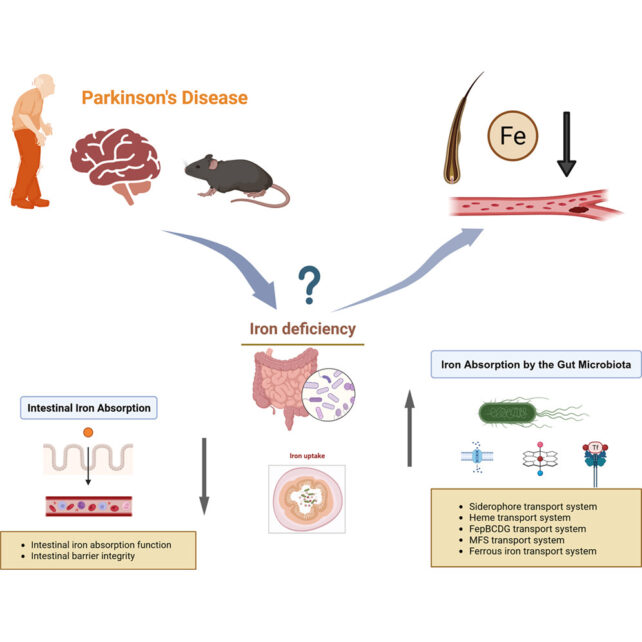
The research also explored potential links between iron deficiency in hair and gut dysfunction. In mouse models, impaired intestinal barriers and downregulated iron absorption genes were observed in those with Parkinson's-like disease.
Scientists believe the gut-brain connection is crucial in neurodegenerative diseases like Parkinson's. Changes in gut bacteria, which have been observed years before diagnosis, may play a significant role. The consistent observation of iron deficiency in the hair of both human patients and mouse models points to a potential foundational link between the gut microbiome, iron metabolism, and Parkinson's pathology.
Elevated arsenic levels in hair also warrant further investigation, potentially linked to environmental exposures or dietary factors such as consumption of offal and shellfish. These findings build upon existing research highlighting iron dysregulation in the brain, blood, and gut of Parkinson's patients.
Further large-scale studies are necessary to confirm these patterns and explore the mechanisms connecting iron deficiency and Parkinson's disease. This research opens the door to a future where a simple hair sample could aid in identifying this systemic disruption.