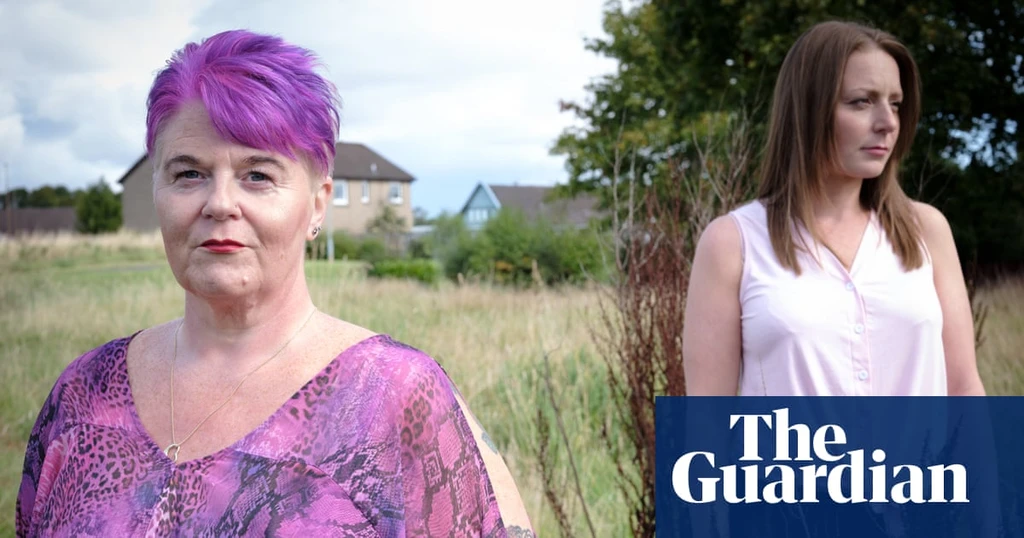
For over two decades, Wendy Barker lived with explosive rage that controlled her life. She would ram her car into her garage door in a fit of fury while her young daughter cowered in the back seat. Her outbursts, triggered by her menstrual cycle, were so severe that she would throw plates and knives at her husband, leaving her family in constant fear.
Doctors dismissed her symptoms as depression or bipolar disorder. It wasn't until a chance TV appearance by Dr. Katharina Dalton-who coined the term PMS-that Barker received a diagnosis: Premenstrual Dysphoric Disorder (PMDD). This severe form of PMS causes extreme mood swings, depression, anxiety, and suicidal thoughts in up to 5% of women of reproductive age.
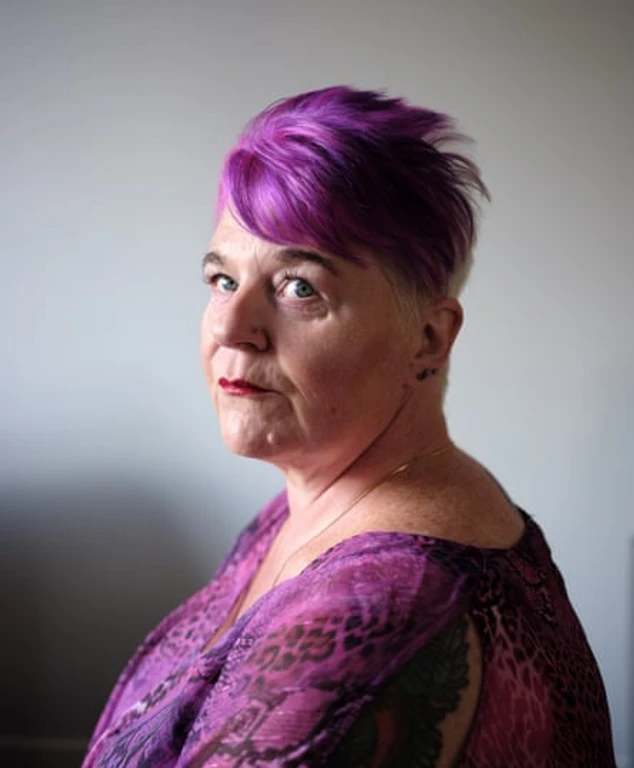
Barker finally found relief through oestrogen implants, a treatment she had to pay for out-of-pocket. Though her symptoms are now managed, the guilt over her children’s trauma lingers. However, her daughter Laura says the ordeal brought them closer. "Mum's absolutely my best friend," she says.
Dr. Milli Raizada, a GP who was diagnosed with PMDD six years ago, had never heard of the condition before her own diagnosis. "Too many doctors don't have the knowledge to help women who suffer in silence," she says. Better training and more research are urgently needed.
Phoebe Williams, founder of the UK's first PMDD charity, The PMDD Project, aims to educate medical professionals and create employer accommodations for those suffering. The condition, officially recognized by the WHO in 2019, remains widely misunderstood.