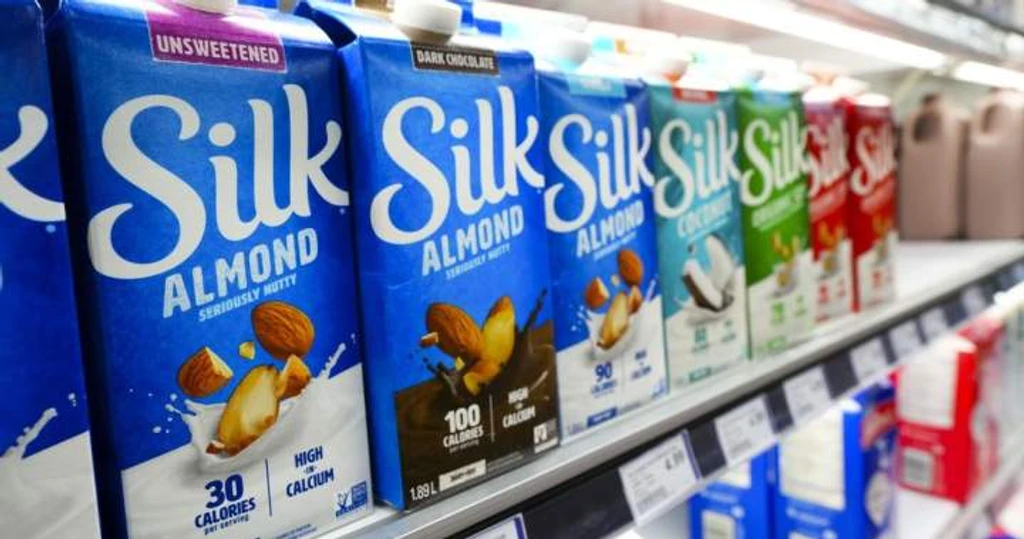
Documents reveal a third-party beverage production facility, identified as the source of a deadly listeria outbreak, was cited for multiple infractions prior to the incident. Experts suggest these issues created a "haven for listeria."
An inspection by the Canadian Food Inspection Agency (CFIA) into the Joriki facility in Pickering, Ontario, detailed peeling paint on floors and condensation on ceilings in pasteurization areas. These findings, observed between June and August 2024, occurred at the facility that packaged soy, almond, and coconut milk for brands like Silk and Great Value. The outbreak resulted in 20 reported illnesses, 15 hospitalizations, and three deaths.
Food safety experts argue that the disclosed issues, despite redactions, presented "huge red flags" that should have prompted earlier action.
"The CFIA should have been inspecting this plant at a much higher frequency," stated Lawrence Goodridge, a food safety professor at the University of Guelph. "This could have been prevented."
The CFIA maintains that a business's primary responsibility is safe food production, with the agency conducting risk-based inspections. Joriki was classified as low-risk in 2021, a model the agency is now updating.
Danone Canada, the seller of Silk products, could not comment due to ongoing legal proceedings. Joriki ceased operations at the end of 2024 and did not respond to requests for comment. The company previously disputed CFIA allegations, stating it had a monitoring program for listeria and that the CFIA had not raised concerns prior to the outbreak.
Microbiologist Lori Burrows highlighted that peeling paint and condensation create ideal conditions for listeria growth and can lead to contamination of products. The presence of garbage in the loading bay also raised concerns about pest infestation.
Experts noted that the facility did not list listeria as a hazard in its safety plan, a fundamental oversight. The inspection report also indicated that the finished product was not tested for listeria, and that environmental swabbing and product testing were not properly implemented.
Former federal health minister Mark Holland stated that Joriki was not adhering to Health Canada's listeria prevention policies. The outbreak response began in June 2024 when listeria was detected in a Silk product sample, with an inspection conducted at the Pickering facility on June 26.
Questions were raised about why the plant was not shut down immediately in June, but the CFIA stated additional evidence was required to confirm the source and assess risk before regulatory action. The link was confirmed July 8, leading to a recall and shutdown of affected lines. The primary source of contamination was never discovered.
While Joriki was verbally informed of issues during site visits, questions remain about the timeliness and clarity of communication. The facility was given extensions to address problems but never resumed production.
Previous consumer complaints from 2018 to 2024 regarding allergens, off-taste, and mold were investigated and deemed isolated incidents by the CFIA. However, these issues, alongside mold and spoilage, are indicative of problems post-pasteurization.
A review following the outbreak found that the CFIA had not visited about half of Canada's plant-based food facilities. The agency has committed to risk-based inspections of over 2,400 licensed facilities by fall 2026 and is reviewing its complaint integration into risk modelling.
"These violations could have been identified earlier and the outbreak may have never happened," Goodridge concluded.