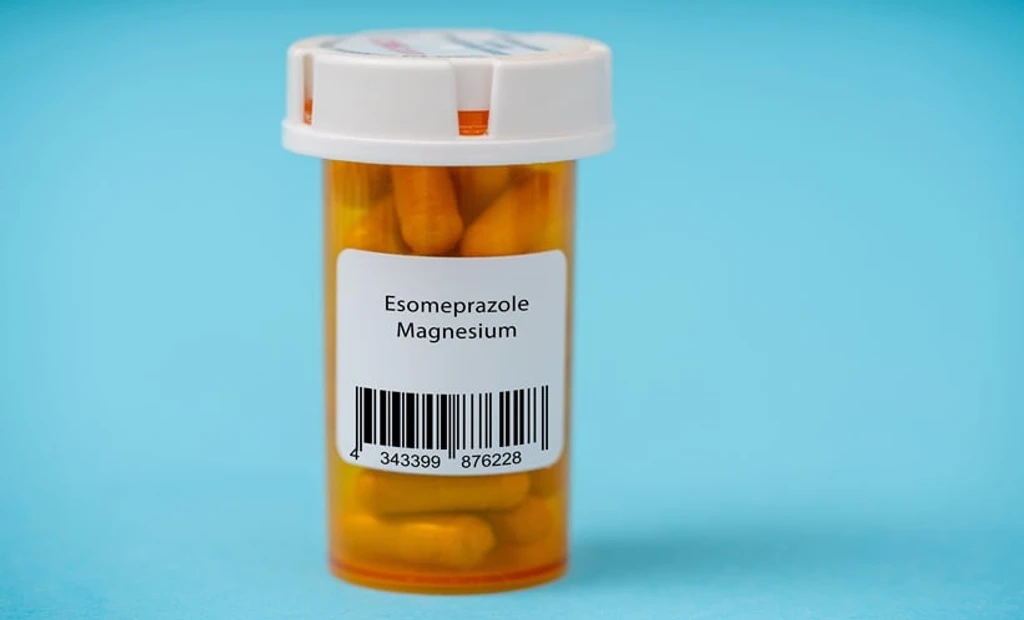
New research suggests proton pump inhibitors (PPIs) offer more than anti-inflammatory benefits for patients with eosinophilic esophagitis (EoE). A recent study indicates PPIs can directly reduce esophageal fibrosis and remodeling, positioning them as potential disease-modifying therapies.
EoE is a chronic condition marked by esophageal inflammation and fibrostenotic changes, often causing swallowing difficulties. While PPIs are standard for inflammation, this study explored their impact on fibrotic pathways linked to transforming growth factor β (TGF-β) signaling.
Investigators analyzed esophageal biopsies from EoE patients before and after PPI therapy. In those responding to treatment, RNA sequencing revealed significant gene expression changes associated with tissue remodeling and fibrosis.
Laboratory experiments confirmed that PPIs attenuated TGF-β-induced collagen and α-smooth muscle actin production, markers of fibrotic activation. PPIs also reduced fibroblast migration and oxidative stress, further contributing to tissue remodeling. Transcriptomic analysis showed PPIs reversed approximately 30% of TGF-β-induced gene expression changes.
These findings suggest PPIs may slow EoE disease progression and prevent long-term fibrotic complications, potentially reducing the need for repeated endoscopic interventions. Future research will focus on optimal dosing and long-term benefits of PPIs in modulating remodeling in EoE.