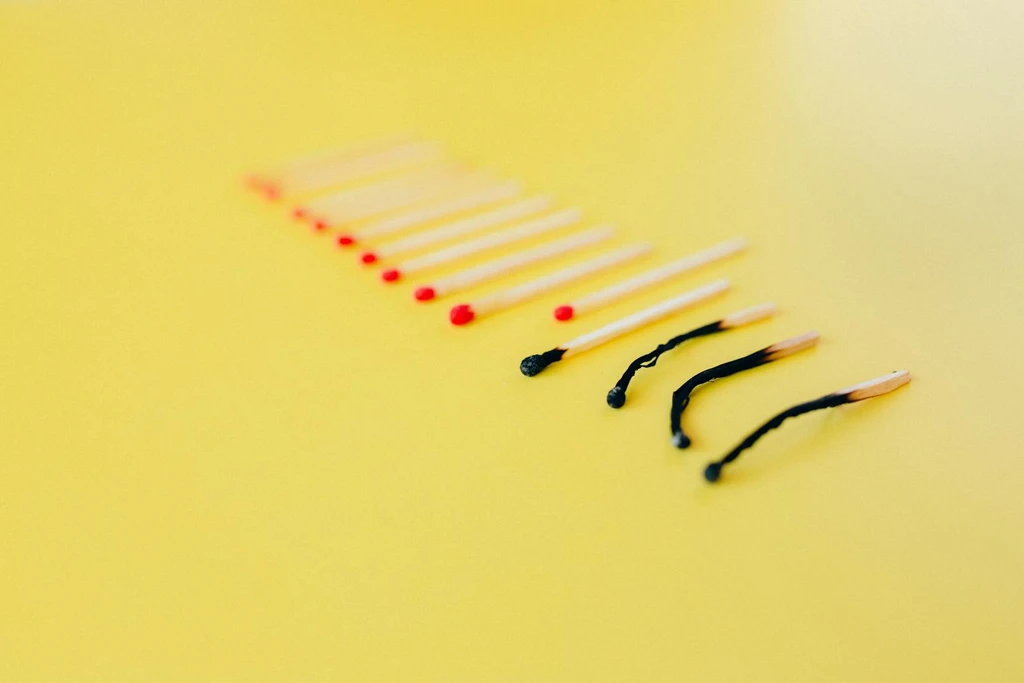
Popular belief attributes social exhaustion to introversion. However, research suggests many drained individuals, often outgoing and charismatic, suffer from performance fatigue instead. This isn't about being overwhelmed by social input, but by the constant effort of self-monitoring and adapting behavior to fit perceived social demands.
This pattern often originates in childhood, stemming from conditional emotional safety where authenticity was perceived as risky. Children learn to perform a 'right' version of themselves to gain connection, leading to an insecure attachment style and persistent impression management. This constant performance, disguised as charm, leads to exhaustion and a disconnect from one's true self.
The recovery process reveals the difference: introverts recharge and feel restored, while performers feel worse, grappling with the dissonance between their persona and true identity. This leads to rumination and a sense of emptiness.

The continuous need to maintain a 'false self' can lead to identity erosion, where individuals lose touch with their authentic wants and thoughts. This explains why some socially fluent people feel profoundly lonely, as their relationships are with a constructed persona, not their true self.
The path to authenticity involves building a felt sense of safety in being unpolished. This is achieved through small, deliberate experiments in relationships where one can be seen and accepted without punishment. Reframing social exhaustion as data, rather than a personality trait, highlights an unsustainable ratio of performance to authenticity. The exhaustion is a sign that the true self is seeking expression, offering an invitation to build relationships free from the need to perform.