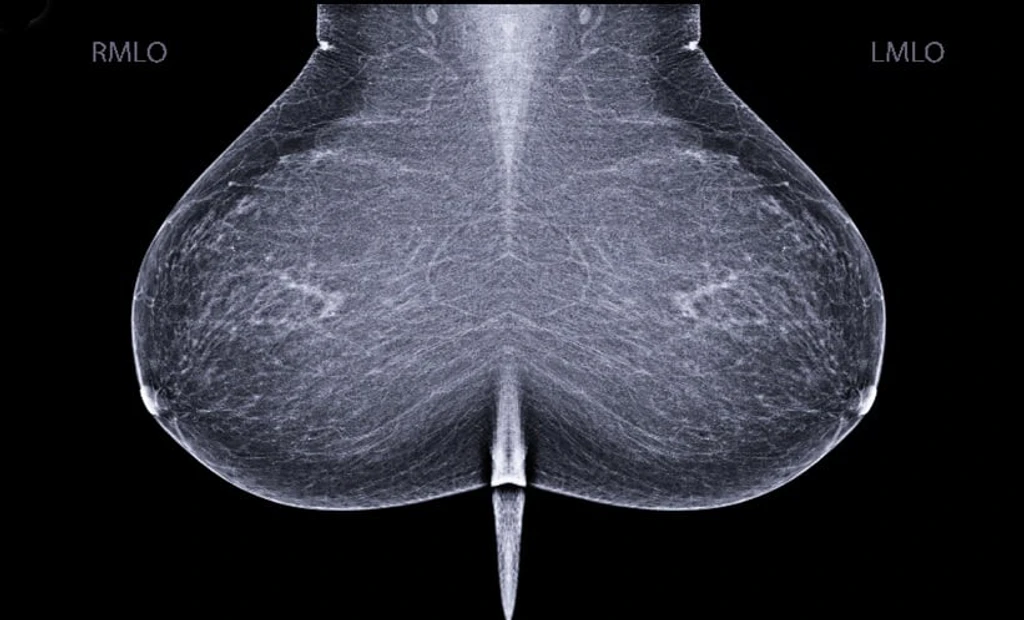
A new study shows that revealing conflicting AI results in mammography reports can erode patient trust, spike anxiety, and increase demands for second opinions.
Researchers surveyed 600 women in Milan undergoing routine mammography. When AI flagged abnormalities that contradicted radiologist assessments-without explanation-trust in the radiologist dropped sharply from 90.1 to 73.0 on a 100-point scale. Anxiety surged from 16% to 58%, intent to seek second opinions jumped from 8.7% to 50%, and consideration of legal action rose from 38.7% to 60.7%.
But when explanations accompanied discordant AI findings, anxiety fell to 25.3%, trust remained stable, and concerns about follow-up care diminished. Patient approval of AI stayed above 85% across all groups, indicating strong support for AI if communicated clearly.
The study underscores the need for transparent communication strategies as AI becomes embedded in clinical workflows. Contextual disclosures may protect patient confidence, reduce unnecessary procedures, and prevent medicolegal risk.