
Scientists have identified a metabolite in python blood that may pave the way for a new class of weight-loss treatments-potentially avoiding common side effects of current GLP-1 drugs like Ozempic.
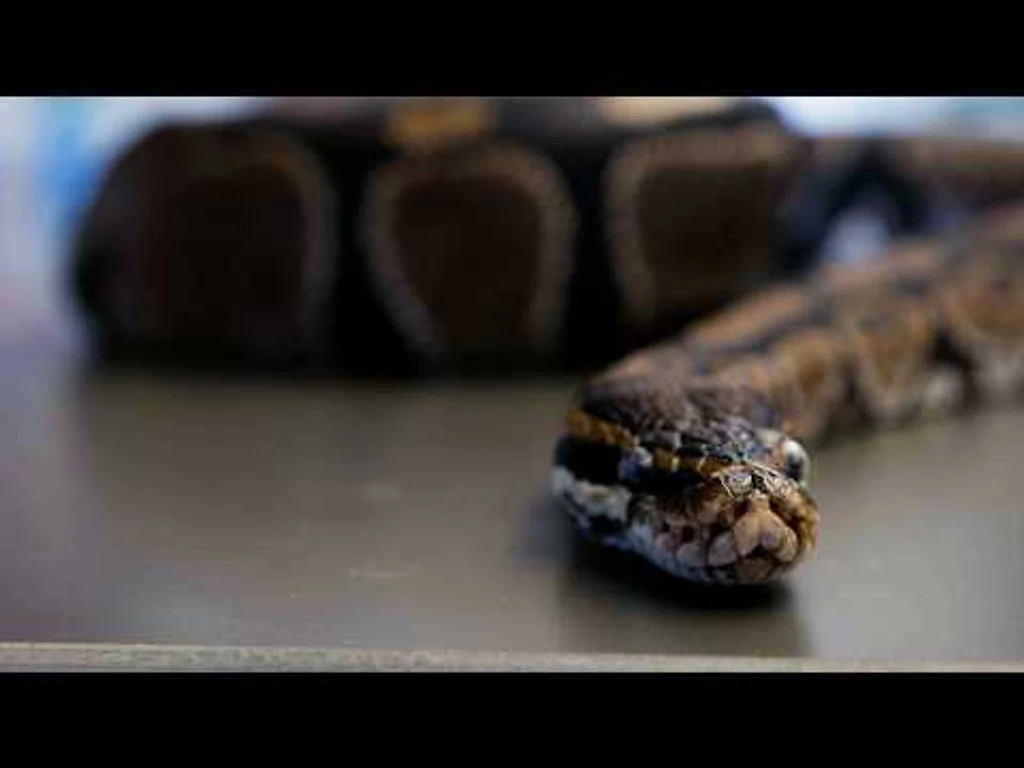
Pythons survive extreme feeding cycles, fasting for months before consuming massive meals. Their bodies adapt with dramatic metabolic shifts, including a 40-fold increase in metabolism and temporary heart growth.
Researchers from the University of Colorado Boulder and Stanford University discovered that after feeding, levels of a compound called para-tyramine-O-sulfate (pTOS) surge 1,000-fold in python blood. pTOS is produced by gut bacteria breaking down tyrosine.
When administered to both lean and obese mice, pTOS significantly reduced food intake and led to weight loss-without causing gastrointestinal distress, muscle loss, or fatigue. The compound activated neurons in the hypothalamus, the brain’s appetite control center.
While pTOS appears in humans post-meal, its effects remain unclear. Researchers emphasize this is early-stage science, far from human therapeutics-but it opens a new avenue beyond traditional drug models.