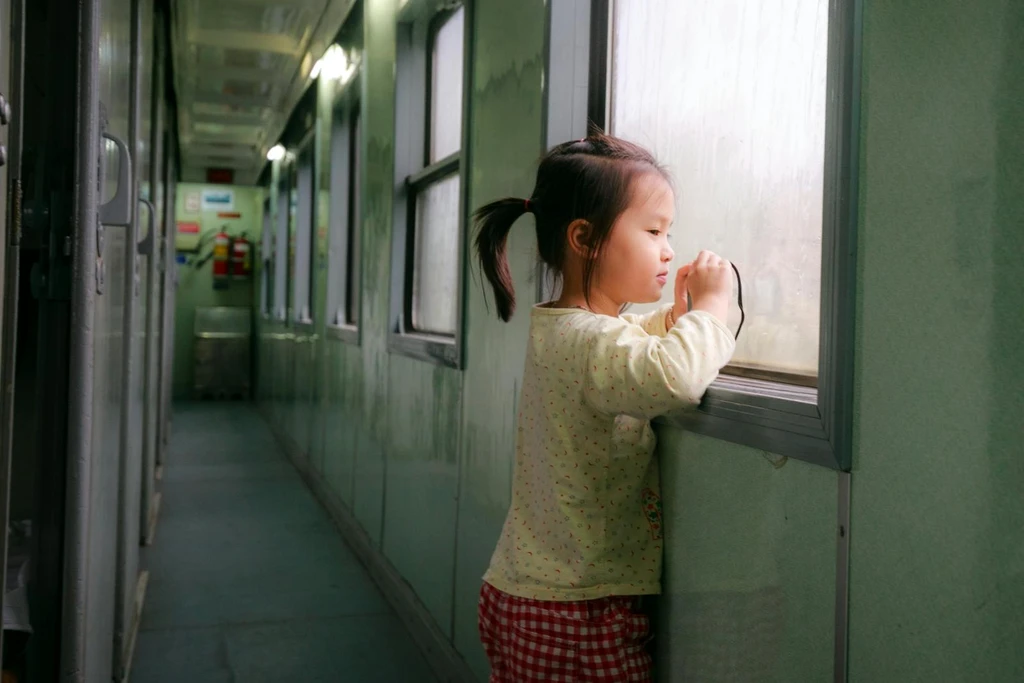
Growing up as the child who never caused problems didn’t mean I had no problems. It meant I understood very early that mine weren’t going to be the ones that got attention. The quiet child's internal world often goes unwitnessed, leading to a belief that their needs are negotiable and others' are urgent.

This "easy child" myth stems from family dynamics where one member absorbs disproportionate emotional energy. Children adapt by compressing their needs to be invisible, earning praise for maturity while reinforcing the lesson that value lies in being a low burden. Research indicates that emotional suppression in these siblings can correlate with adult anxiety and depression.
Key learnings for the quiet child include: needing things is a liability, hyper-awareness is a survival skill, self-sufficiency becomes identity, and anger becomes inaccessible, often rerouting into guilt or sadness.

The cost of this emotional compression manifests later in life, often as burnout, quiet depression, or physical symptoms like insomnia and chronic exhaustion. This pattern is hard to name because it's defined by absence-a quiet accumulation of moments where support was needed but not given.
Recovery involves learning to take up space, noticing automatic minimization, practicing small disclosures to trusted individuals, allowing for private anger, and recognizing developed strengths without romanticizing the scarcity that forged them. The quiet child's journey is about unlearning the belief that their needs can wait, and finally ending the waiting.