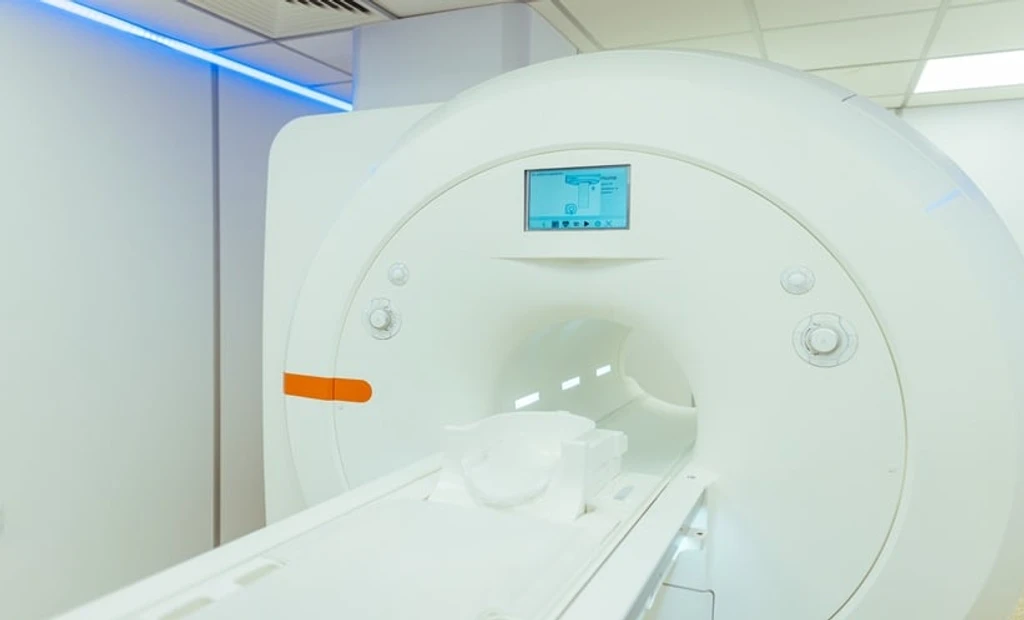
A novel framework, radiologic exposomics, is emerging to link environmental exposures with quantitative imaging, aiming to enhance precision oncology. This approach combines exposomics and radiomics to detect measurable signatures of chronic environmental stressors within tumors and surrounding tissues on CT and MRI scans.
The exposome encompasses a lifetime of environmental, occupational, and lifestyle exposures, including pollutants that may drive cancer development and progression. While exposomics has been explored with molecular techniques, its integration with imaging is a developing area.
Radiomics already extracts quantitative imaging features reflecting tumor characteristics. Radiologic exposomics extends this by investigating if these features can capture the biological consequences of long-term environmental stress, such as oxidative damage and inflammation. This is particularly relevant in peritumoral regions, where imaging can reflect microenvironmental changes influenced by chronic exposure.
The concept holds clinical potential across various cancers, including lung, liver, and kidney. It offers a methodological workflow for integrating exposure data, imaging standardization, and feature extraction. For clinicians, radiologic exposomics could refine predictions of treatment response and survival by adding environmental context to imaging interpretation.
However, challenges like confounding factors, data governance, and equity require careful consideration for responsible implementation. This approach serves as a translational bridge between population-level exposure research and patient-level precision oncology, potentially generating new insights into environmental influences on tumor behavior.